Guides
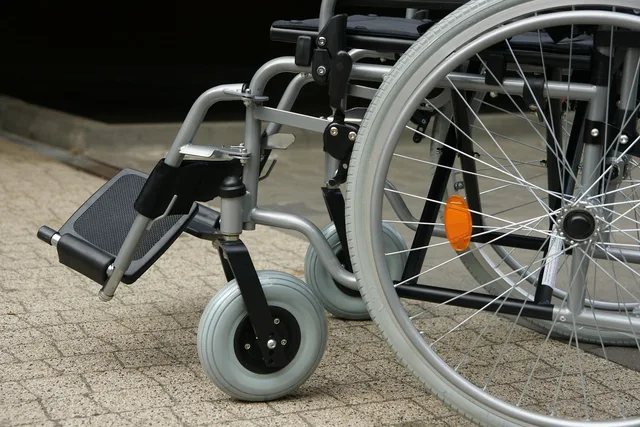
BC Ferries Wheelchair Access: What to Book in Advance
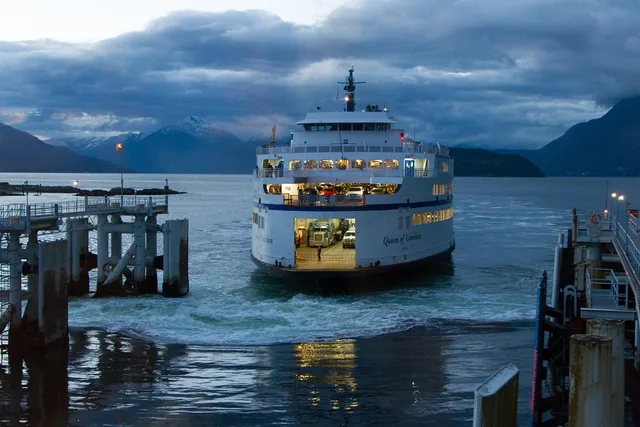
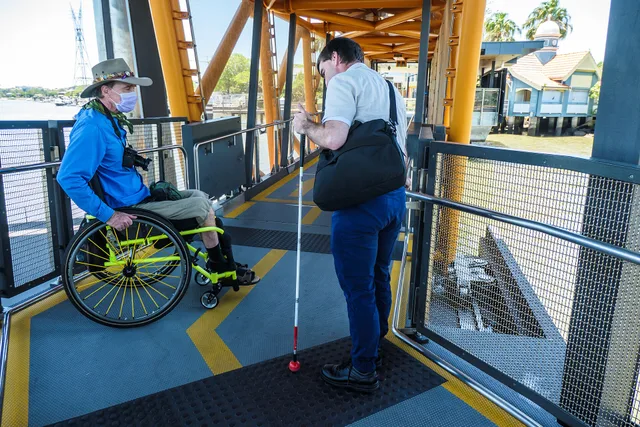
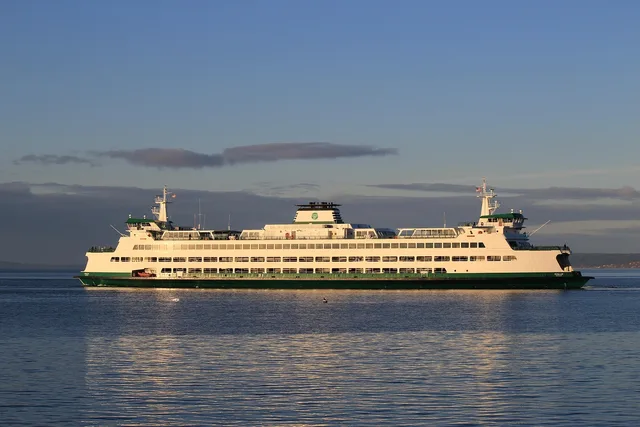
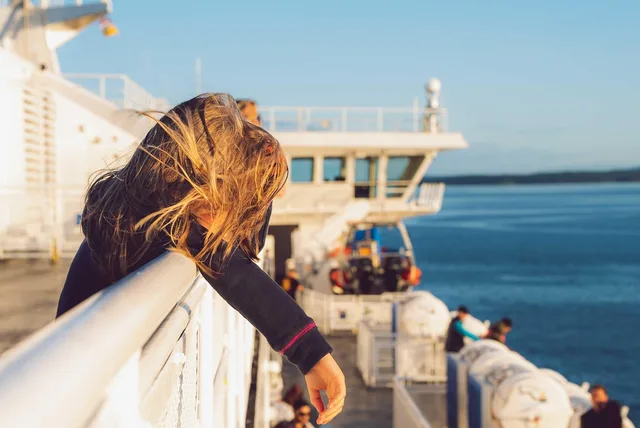
BC Ferries wheelchair access depends on booking the right cabin or deck space. Reserve at least 24 hours ahead, or you may be refused boarding.

BC Ferries wheelchair access depends on booking the right cabin or deck space. Reserve at least 24 hours ahead, or you may be refused boarding.
Cape May Lewes ferry walk-on fares for September and October 2026: the adult and senior one-way figures, the Monday to Thursday round trip, and the $7 fuel surcharge on vehicles from October 12.
A six-step method for studying an unfamiliar ferry route, from archetype and charts to current predictions, timetables, archived weather and the fallback.
How to budget for a route rather than a ticket, why forecast uncertainty is measurable, and what current data is used for beyond planning your day.
Old Sow whirlpool, the Saint John Reversing Falls and Grand Manan, with the ferry operators, crossing times and tide timing that put each on a longer trip.
Compare ferry routes properly using nautical charts and offshore zone forecasts, so you judge the water each one crosses rather than the marketing.
This ferry route case studies field checklist repeats five views and records chart context, sun angle, tide, weather, and camera settings across crossings.
Five ferry route archetypes explained by the water each one crosses, from non-tidal Great Lakes crossings to the largest estuary in the United States.
What to ask before buying coastal ferry gear, how baggage limits really work, and the two nautical words that make crew instructions clear to follow.
This ferry travel gear itinerary is a route-agnostic two-day shakedown for testing a hooded rain shell, gloves, dry bag, phone pouch, and daypack.
What coastal businesses can offer gear-dependent travelers, from rinse stations to repair referrals, and why gear cleaning matters for debris and species.
Choosing a base near working harbors where gear can be rinsed, dried and repaired, and why dredging and real-time port data shape those harbors.
ADA ferry accessibility splits between terminals and vessels, and the guarantee differs by route, from Colman Dock to Long Wharf and Portland.
New York ferry fares split three ways: the free Staten Island Ferry, the $4.00 NYC Ferry ride with a city subsidy, and private operators charging more.
Named ferry deck gear that survives salt, spray and cold, and the items that fail early, judged on how they break rather than on lab scores.
A Bainbridge Island ferry walk-on bike trip starts at Colman Dock, where cyclists pay an ORCA fare, walk the bike aboard, and board with foot passengers.
Walk-on ferry fares and monthly cost examples for 20 round trips in Seattle, New York and San Francisco, plus pre-tax savings and a comparison.
Federal rules set the safety floor for walk-on ferry baggage, but each operator's tariff decides what actually boards with you at the gangway.
Casco Bay Lines ferry from Portland, Maine: the seven islands it serves, the five vessels in its fleet, what the freight runs carry, and winter weather limits.
US Canada ferry customs covers the documents, declaration forms and inspection steps for CBP and CBSA, plus how to report by ferry at the dock.
A US ferry planning calendar starts with NOAA tide and current data, then adds hurricane season and regional storm cycles to show when routes run.
Accessible options for small-boat tours depend on the boat and dock. Ask about boarding, crew help and facilities; water levels and forecasts also matter.
Alaska Marine Highway vs Washington State Ferries: how the two public systems differ on routes, booking, weather disruption and how each is funded.
Juneau ferry booking means checking the sailing calendar, choosing a cabin or recliner, preparing baggage at Auke Bay, and allowing for weather delays.
What a boat tour actually costs once transport and accommodation are added, and why protected-area designation changes what an operator can offer.
Where to find qualified boat-tour guides, how sanctuary protection actually works, and the questions that reveal whether a guide knows their water.
Packing for a trip built around boat tours: dress for the water temperature rather than the air, carry your own water, and protect optics from salt.
Ten types of ferry and boat-tour operator, described by what they do rather than by name, with the criteria that tell a good one from a poor one.
A guide to building spare days into a ferry trip, with one crossing a day, plus how marine safety warnings reach ships and what a seiche is.
Sheltered stops that save a canceled ferry day, from named lagoons and mangrove boardwalks to harbor towns and quiet coves worth the trip either way.
Ferry trip mistakes compared from start to finish, updated for 2027 explains how operators decide, notify and refund when weather turns marginal.
Ferry trip mistakes field guide to deck photography, with advice on waves, safe deck positions, route planning, shutter choices, and salt-spray protection.
The ferry mistakes that cost real money and real days, why the ocean drives the weather that causes them, and where reliable marine information comes from.
Coastal itinerary building booking needs three questions for every supplier, plus free tools from the NWS and NOAA for reading sea state and water levels.
A daily posting checklist for coastal itinerary building businesses: tide times from NOAA, the ferry operator's sailing times, openings, and safety notes.
How to choose bases along a coastal corridor, check a location against flooding maps, and use maritime forest and barrier island geography to your advantage.
First-visit advice for coastal route planning: what a spring tide really is, how to read rip currents, and the habits that keep a first trip enjoyable.
A portable two-day coastal plan built on the four intertidal zones and honest tide timing, adaptable to a rocky ledge, a sandy beach or a mudflat.
A repeatable process for building a coastal route: define the corridor, anchor it to observation data, place the crossings, then leave room for weather.
A walk-on ferry packing list for named 2027 routes, from Maine's Casco Bay to the Alaska Marine Highway, built around what one person can carry alone.
Walk-on ferry fares in 2027 run a few dollars to about thirty, and the shuttle bus transfer or taxi you skip or keep decides the real total.
Ferry travel costs planning here focuses on booking order, tidal-current timing, and ticket terms rather than fare comparisons or price figures.
A packing list built for a ferry deck: layers for wind, motion sickness planning, cold water safety, and the small items that matter on a long crossing.
Where to look for guides on a ferry route, how to check permits and wildlife conduct, and the questions that separate a professional from a good talker.
US ferry travel planning means placing buffer days before flights and paid bookings, then checking NOAA short-range forecasts and station IDs before you go.
Photographer's field list for U.S. ferry crossings: what to carry and what to watch for when you photograph from a ferry deck, fog, spray, low tide foregrounds.
The things people learn the hard way on a first island day trip: rip currents, water quality advisories, closing times and the walk back to the boat.
The questions that decide whether an island day trip works: sailing policy, advisory language, boarding details, and where to check conditions yourself.
Quebec City vs Victoria car-free winter walks: compare snow, slopes, downtown routes, Quebec's rail arrival, and Victoria's walk-on ferry choices.
Eleven island day trips by ferry, from Isles of Shoals to Dry Tortugas, each with distinct timetables, and what every one asks of your schedule.
Plan US ferry travel by matching marine forecasts to the crossing, checking tide predictions, and leaving room for weather-related changes.
A two-day island plan that puts low water, beach safety and the last sailing in the right order, with a template you can fit to any short crossing.
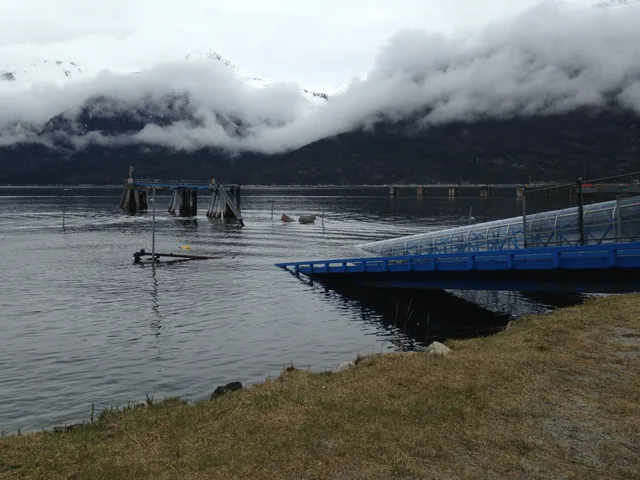
Accessibility on a ferry route depends on the ramp, the tide and the terminal. The specific questions to ask, and why water level changes the answer.
Ferry trips planning in order: understand the tide, find the marine products for your water, check the ticket terms and documents, then confirm on the morning.
How season shapes a ferry trip: service frequency, tropical storm timing, water temperature, and why shoulder season costs less but risks more.
Walk on ferry routes: time your crossing around ENSO cycles, fast-deepening winter storms, and the reduced-service timetable that sets the dates.
Ferry travel planning in four columns, committed, allowance, optional and unknown, so every crossing, room and risk has a source, a date and an owner.
Named free stops on real ferry routes, from Nauset Marsh to the Astoria Riverwalk, fill the waiting hours around a sailing with small walks.
Ferry trip costs split into three blocks: getting to the terminal, the crossing and the nights on the far side, with an example for two adults and savings tips.
What harbor businesses can do for day visitors: honest sailing information, litter handling, and working with the coastal management rules already in place.
Comparing ferry-based tours on total cost: what the headline price hides, how to price a lost day, and free forecasts that reveal the real risk.
A comparison method for guided trips built around a ferry crossing: who owns the weather risk, what the price covers, and which forecast product applies.
Where to find maritime heritage guides on a ferry route, how to test their knowledge, and how historical charts turn a crossing into a story.
Ferry-reachable stops worth: protected waters, research reserves and working harbors reachable by ferry, plus how to judge whether a stop earns a night rather.
How to choose sailings for a well-planned ferry weekend: why the last boat out removes your fallback, and when the earlier boat is worth taking.
A ferry weekend splits into six cost lines, and the crossing is rarely the biggest. Here are real figures for each, plus how to size the buffer.
How to pick between a mainland harbor town and an island bed for a ferry trip, plus the flooding question to ask about low-lying waterfront rooms.
How to match a walk-on ferry route to the traveler: exposure, crossing length, terminal access, and what the chart tells you that a map cannot.
Industry
Five ferry route archetypes explained by the water each one crosses, from non-tidal Great Lakes crossings to the largest estuary in the United States.
Guides
ADA ferry accessibility splits between terminals and vessels, and the guarantee differs by route, from Colman Dock to Long Wharf and Portland.
Costs
New York ferry fares split three ways: the free Staten Island Ferry, the $4.00 NYC Ferry ride with a city subsidy, and private operators charging more.
Reviews
Named ferry deck gear that survives salt, spray and cold, and the items that fail early, judged on how they break rather than on lab scores.
Guides
A Bainbridge Island ferry walk-on bike trip starts at Colman Dock, where cyclists pay an ORCA fare, walk the bike aboard, and board with foot passengers.
Costs
Walk-on ferry fares and monthly cost examples for 20 round trips in Seattle, New York and San Francisco, plus pre-tax savings and a comparison.
Guides
BC Ferries wheelchair access depends on booking the right cabin or deck space. Reserve at least 24 hours ahead, or you may be refused boarding.
Costs
Cape May Lewes ferry walk-on fares for September and October 2026: the adult and senior one-way figures, the Monday to Thursday round trip, and the $7 fuel surcharge on vehicles from October 12.
Guides
A six-step method for studying an unfamiliar ferry route, from archetype and charts to current predictions, timetables, archived weather and the fallback.
Costs
How to budget for a route rather than a ticket, why forecast uncertainty is measurable, and what current data is used for beyond planning your day.