Rules
Part of Ten kinds of boat tour operator, sorted by what they actually do
Small-Boat Tour Access: Boarding Questions to Ask
Accessible options for small-boat tours depend on the boat and dock. Ask about boarding, crew help and facilities; water levels and forecasts also matter.
What to take away
- Small tour boats are harder to board than scheduled ferries, and the gap widens at low water.
- Ask about the specific vessel on your date, not about the company in general.
- Accessible options depend on the dock, boarding setup and assistance available.
- Water level stations record far more than tide height, and the data behind a terminal's answer is real.
- Weather radio gives you forecasts and tide information without a data connection.
The boarding is the whole question
A scheduled ferry usually boards from a purpose-built terminal. A small tour boat often boards from a floating dock, sometimes down a ladder, sometimes with a step across a gap that moves. That is the difference that decides whether a trip works.
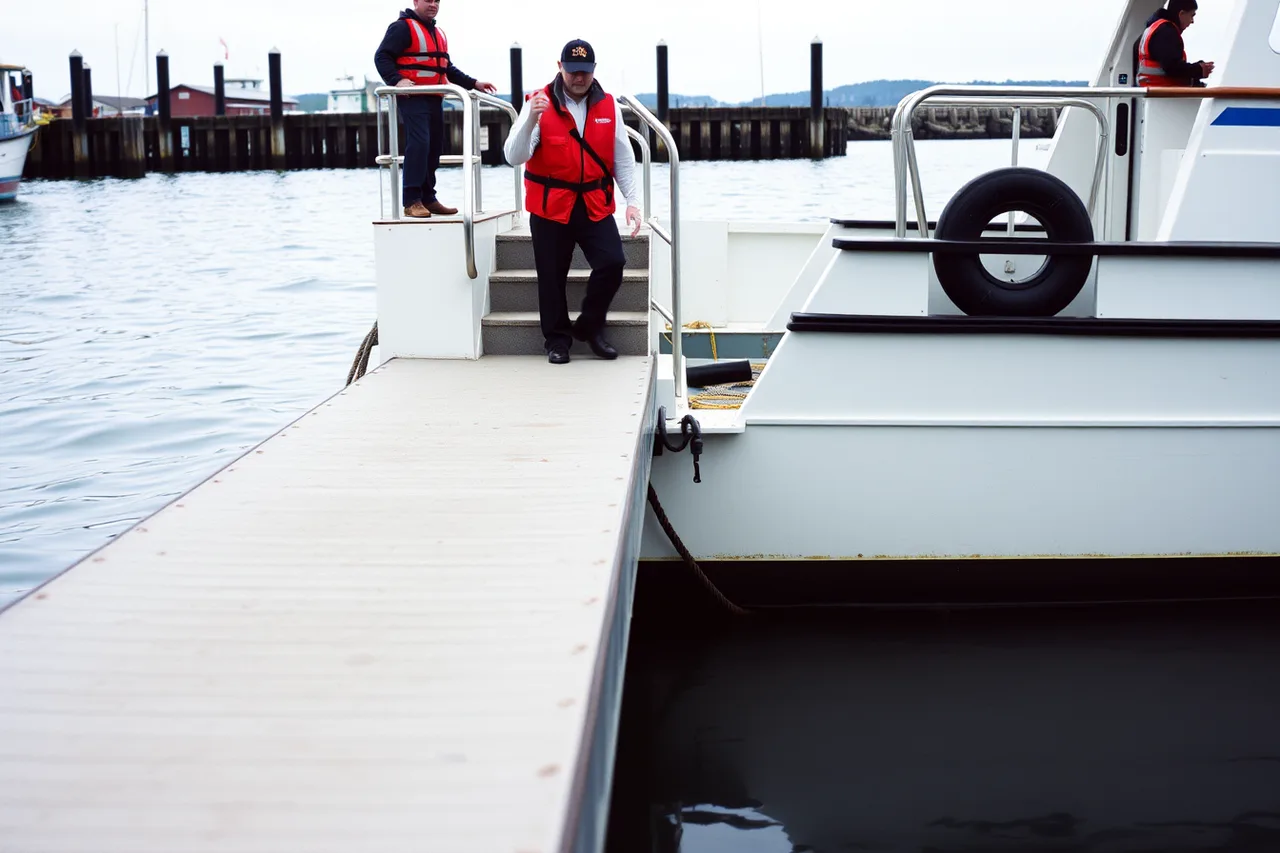
Ask, specifically: is boarding level or stepped, does it use a fixed ramp or a floating gangway, how much does the angle change with the tide, and is there a member of crew whose job is to assist. Then ask whether the boat on your date is the usual one.
The data behind a terminal's answer
If a harbor gives you a precise answer about water levels, it is because it is measured. NOAA explains that tide stations use advanced acoustics and electronics to monitor tides. The Center for Operational Oceanographic Products and Services maintains 210 permanent, continuously operating water level stations across the United States, including the Great Lakes.
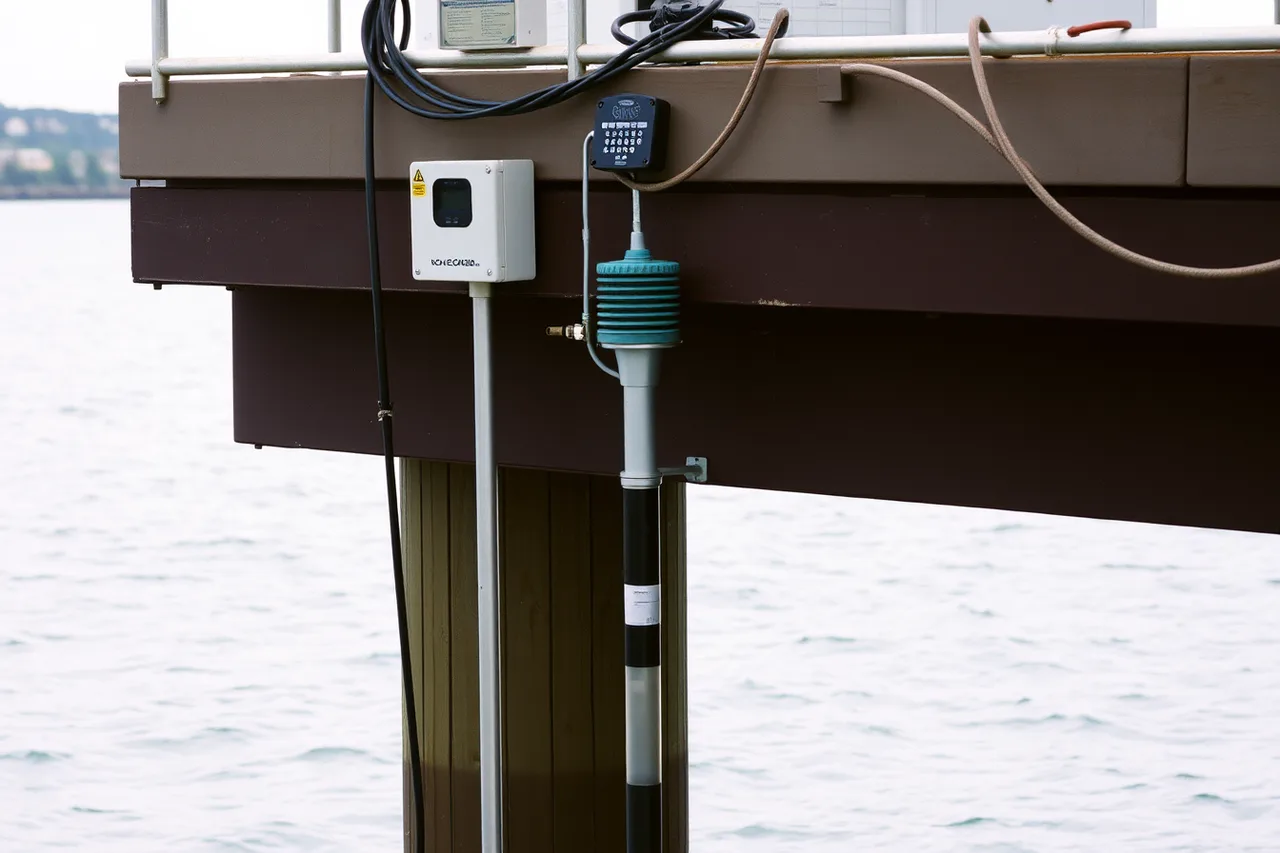
Each station includes a recorder that sends an audio signal down a half-inch sounding tube and measures how long the reflected signal takes to return from the water's surface. Alongside tidal height, the stations record up to 11 oceanographic and meteorological parameters: wind speed and direction, current speed and direction, air and water temperature, and barometric pressure among them.
That is why "how steep is the gangway at low water" is an answerable question rather than an awkward one. Ask it.
Weather radio as an offline forecast source
Coastal accessibility planning often falls apart at the point where the phone stops working. There is a reliable alternative. The National Weather Service explains that its weather radio network broadcasts continuously on seven frequencies in the VHF public service band, carrying local and nearshore coastal marine forecasts produced by local forecast offices.
Coastal stations broadcast predicted tides along with real-time observations from buoys and coastal meteorological stations operated by the National Data Buoy Center. Offshore and open lake forecasts are broadcast where feasible and where there is demand. You have to tune to the right frequency, and reset it as you move along the coast.
A small weather radio in a bag is a practical accessibility tool, because it removes the dependence on coverage at exactly the moment plans change.
The full question list
- Step-free route from parking or transit to the boarding point?
- Fixed ramp, floating gangway, or a step across a gap?
- Crew assistance available, and does it need booking?
- Accessible toilet aboard, or none at all?
- Seating with back and arm support, and where?
- Trip duration, and whether it can be shortened if needed?
- Which vessel is scheduled on my date?
- What happens if that vessel is substituted?
Booking it properly
Get the answers in writing, with a date, and re-confirm the day before. Small operators change vessels more often than large ones, and a substitution can undo every arrangement. The equivalent questions for scheduled crossings are in our accessible ferry travel guide, and the operator categories are in our boat-tour operator roundup.