Guides
Part of How a coastal itinerary actually gets built, step by step
Coastal itinerary building booking: 3 questions, free tools
Coastal itinerary building booking needs three questions for every supplier, plus free tools from the NWS and NOAA for reading sea state and water levels.
What to take away
- Ask cancelation questions of every supplier in the chain, not just the ferry operator.
- Reference publications exist for reading sea state by eye, and they are free.
- During a tropical storm watch or warning, a storm-specific water level dashboard is created for the affected area.
- Book the chain so that one failure does not cascade through the rest of it.
Ask the whole chain, not just the boat
Coastal itinerary building booking is a chain of bookings, and the weakest link decides what a bad day costs. Ask each supplier the same three questions: what happens if I cannot get there, how much notice do you need, and what do you refund.
Ask every supplier three questions
- What happens if I cannot get there
- How much notice do you need
- What do you refund
- Ferryticket in a weather cancelation
- Accommodationlatest free cancelation
- Guided activitytheir own weather policy
- Rentallate pickup forfeits booking
Suppliers rarely coordinate. If the ferry cancels and the guide does not refund, that is two separate conversations, and knowing which in advance is worth having. Keep every answer in one document with dates against it, so that when you need it you are reading rather than remembering.
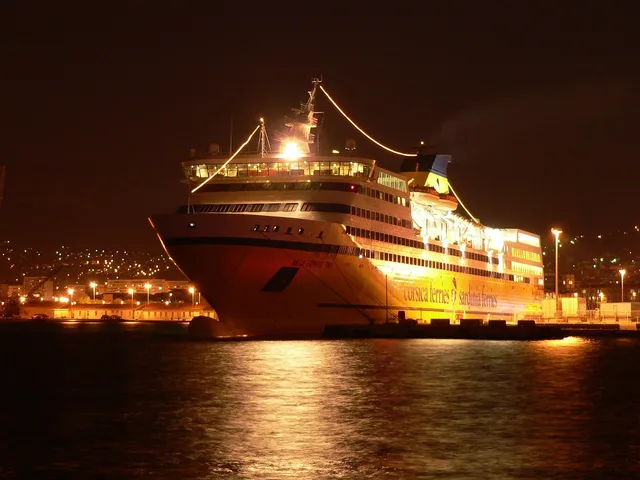
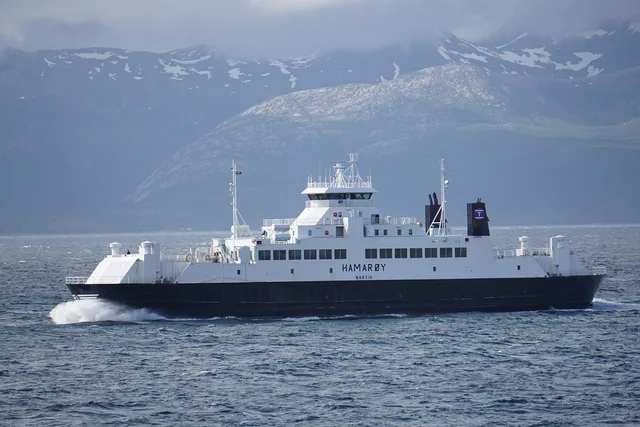
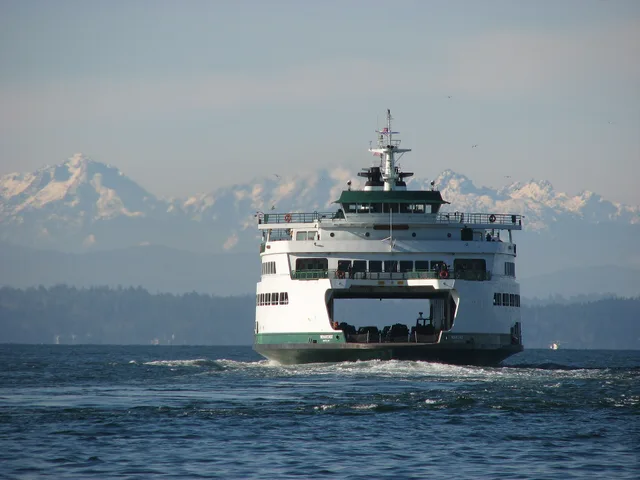
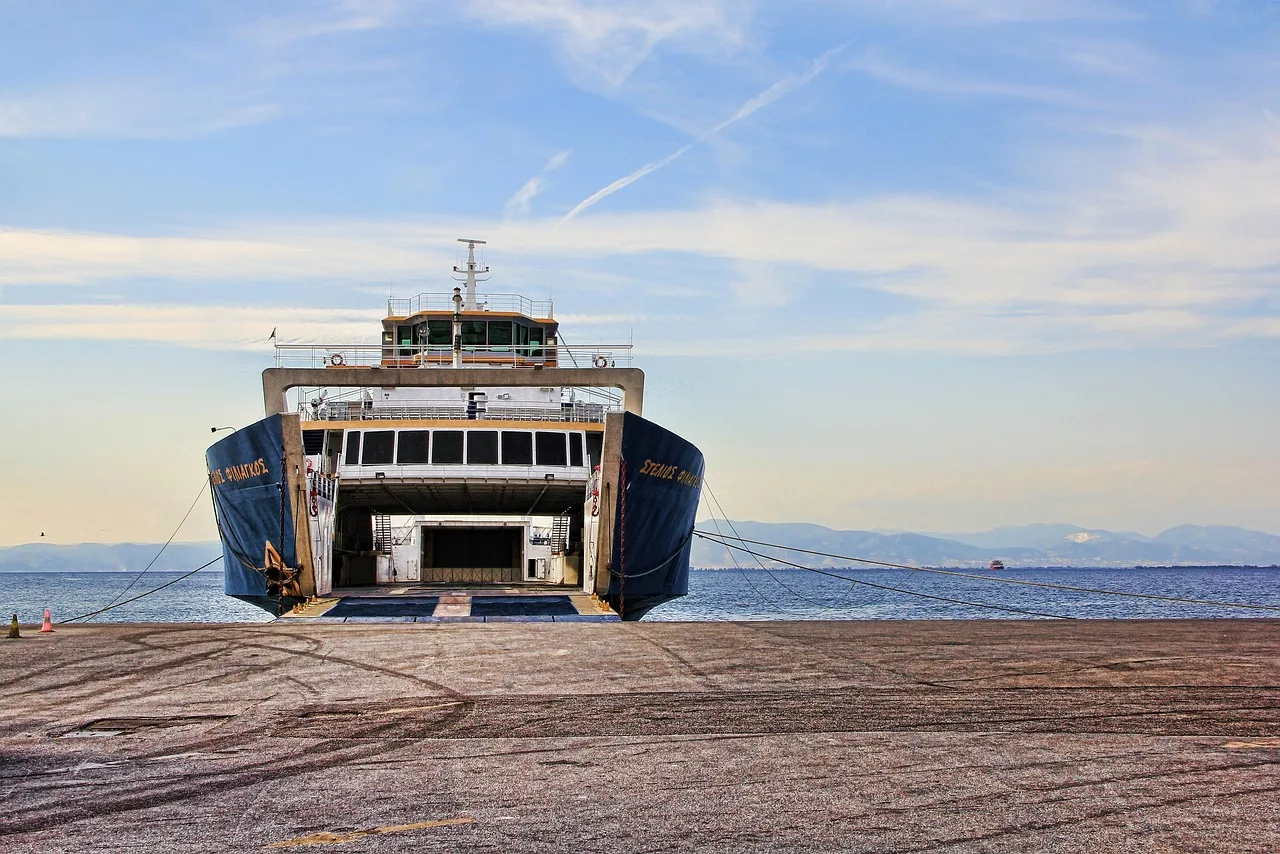
The chain usually starts with the crossing itself. Ask the same three questions of the operator running it — Washington State Ferries on the Anacortes–San Juan Islands run, the Alaska Marine Highway, or the Cape May–Lewes Ferry — and then of the hotel, the guide and the rental desk behind it.
Learn to read the water by eye
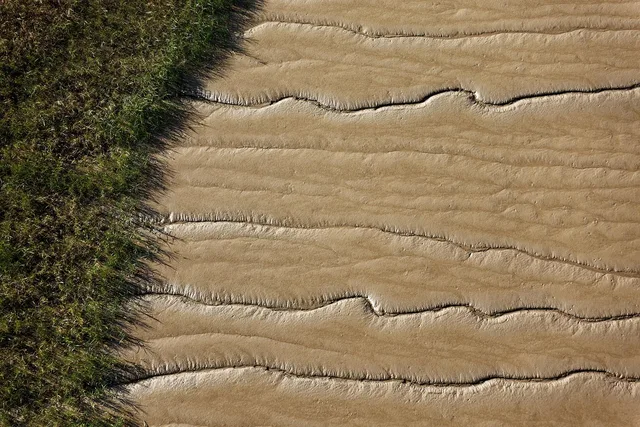
The National Weather Service's marine publications page is a free reference set. It lists sea state photographs for determining wind speed alongside the Beaufort Wind Force Scale.
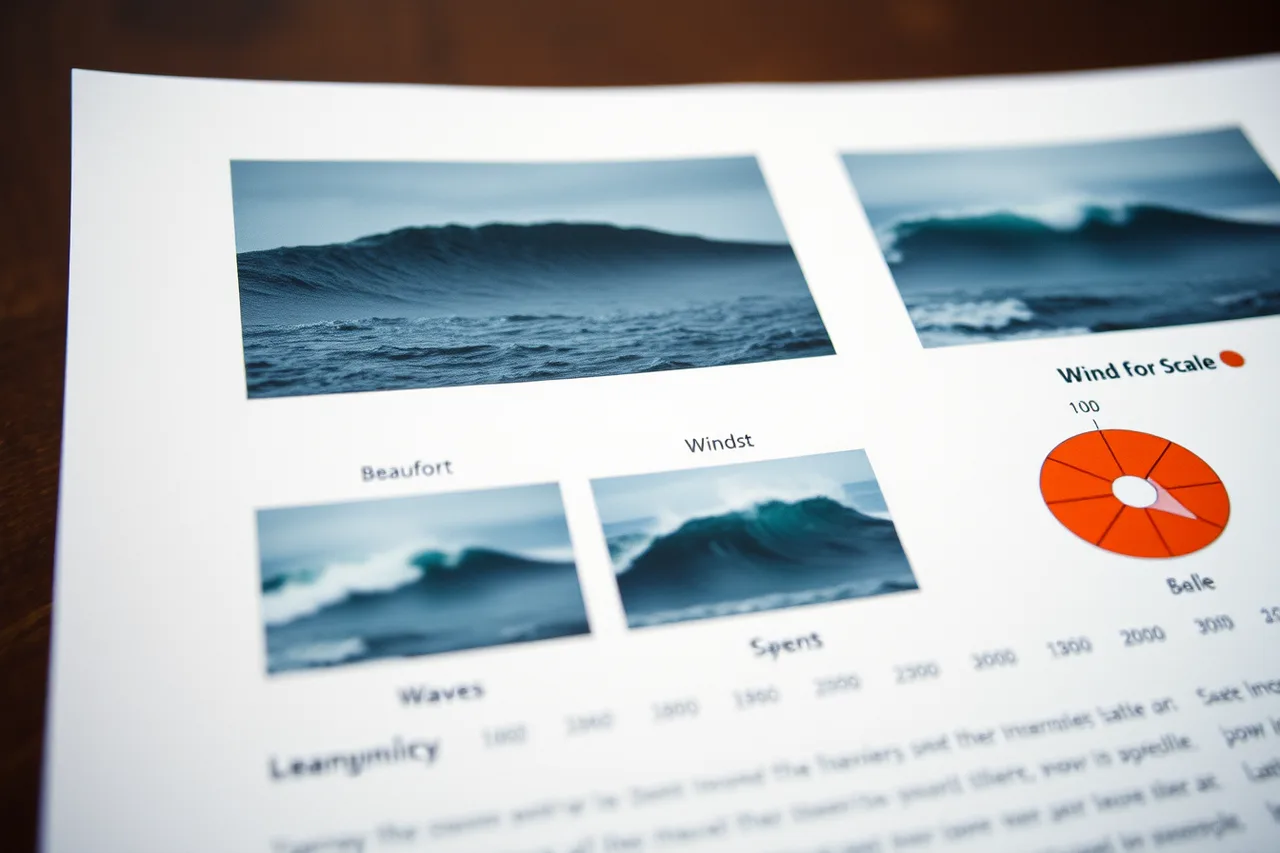
It also lists a mariners guide for hurricane awareness in the North Atlantic basin and World Meteorological Organization guidance on marine meteorological services. The page notes the NWS no longer produces Marine Service Charts; that information now sits on the marine forecast and weather radio pages.
The sea state photographs are the useful part for a traveler. Being able to look at water and place it roughly on a scale makes an operator's explanation of a cancelation far easier to follow.
If you want a number to pair with the photographs, two more free sources are station-based along the U.S. coast: NOAA Tides and Currents for tide predictions and the National Data Buoy Center for buoy reports.
During a named storm, there is a dashboard for your water
If a tropical system is approaching your dates, one tool is built for the question you will be asking. NOAA says its Coastal Inundation Dashboard provides near real-time water level information at water level stations through the lens of coastal flooding.
It also says a custom storm dashboard is generated with its own unique link whenever the National Weather Service issues a tropical storm watch or warning for the United States or its territories. Users can view water levels in the path of the storm.
That is the difference between watching a forecast track and seeing what the water is actually doing at the station nearest your terminal.
Book in an order that limits damage
Book refundable first and non-refundable last, and never make a non-refundable booking downstream of a crossing you have not confirmed. Where an activity is unique and hard to rebook, put it in the middle of the trip rather than the first day, so a delayed arrival does not consume it.
Then set the whole chain against the corridor built in our coastal itinerary process guide, and use the same question list for the crossings covered in our island day trip booking questions.