Guides
Part of Eleven shapes of island day trip, and what each one asks of your schedule
The questions that decide whether a booked island trip works
The questions that decide whether an island day trip works: sailing policy, advisory language, boarding details, and where to check conditions yourself.
What to take away
- Ask who decides whether the boat runs, and what happens to your money when it does not.
- Learn what a small craft advisory is, because there is no single national threshold behind it.
- You can check conditions for yourself before you call, using free public map services.
- Get the answers in writing with a date, because policies and vessels change.
The seven questions
- Who makes the sailing decision, and where is it announced?
- What happens to my ticket in a weather cancelationrefund, credit or rebooking?
- Is there a later sailing the same day, and does it take foot passengers?
- What time does the last boat leave, on my date specifically?
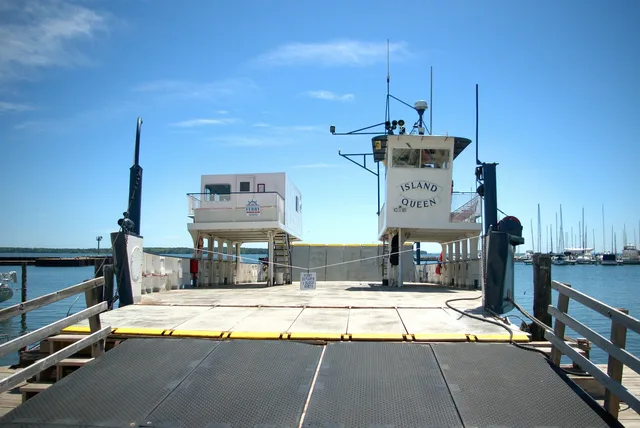
- How do I boardgangway, ramp, or a step down to a floating dock?
- Is there shelter at the terminal on the island side?
- Is the vessel on my date the usual one, or a relief boat?
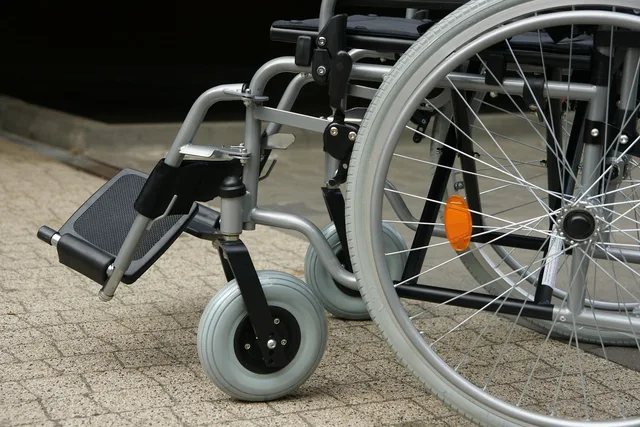
The last question catches out more people than any other. Accessibility, capacity and shelter can all differ on a substitute vessel.
Seven questions before you book
- Who makes the sailing decision?
- Weather cancelationrefund, credit or rebooking?
- Later sailing same day for foot passengers?
- Last boat time on my date?
- How do I boardgangway, ramp, step?
- Is there shelter on the island side?
- Is my vessel the usual one?
Understand the advisory language before you ask about it
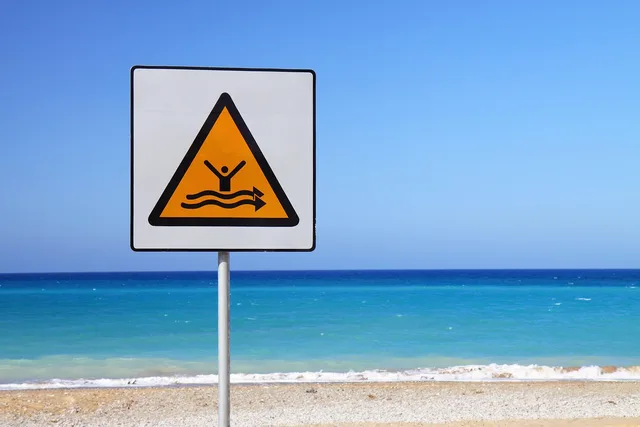
Operators and forecasts both use the term small craft advisory, and its meaning is more nuanced than it looks. The National Weather Service explains that a small craft advisory is issued by coastal and Great Lakes forecast offices for areas covered by the Coastal Waters Forecast or Nearshore Marine Forecast.
Same advisory, different vessels
Large scheduled ferry
- Advisory impact
- Often still sails
- Seaworthiness
- High
- Operator decision
- Weighs route and size
- Passenger risk
- Managed
Open launch
- Advisory impact
- Likely held back
- Seaworthiness
- Low
- Operator decision
- Weighs exposure
- Passenger risk
- Higher
The thresholds governing issuance are specific to geographic areas rather than uniform nationally. It may also be issued where sea or lake ice could be hazardous to small boats.
The same page says there is no precise definition of a small craft. Any vessel that could be adversely affected by the criteria should be considered one. The operator's experience and the vessel's type, size and seaworthiness all matter.
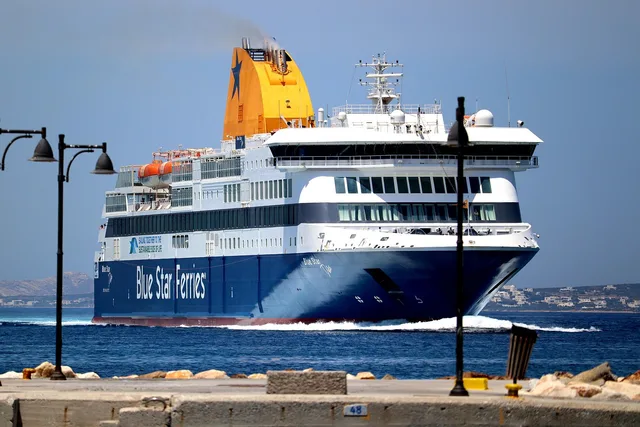
A large scheduled ferry and an open launch are in very different positions under the same advisory. That is why the sailing decision sits with the operator.
Check conditions yourself first
You will ask better questions if you have already looked. NOAA's nowCOAST map service is a free, GIS-based viewer. It offers frequently updated weather and ocean observations and coastal and marine forecasts around the clock.
Point-and-click access puts 60 NOAA data products in one place. It comes in two versions; the one enhanced for mariners adds nautical chart underlays, National Weather Service coastal marine zone forecasts and offshore observations from ships and buoys.
Ten minutes there before you phone an operator changes the conversation. You stop asking whether the weather will be nice and start asking what they do at the conditions you can already see forecast.
Getting it in writing
Book through a channel that produces a record. Confirm the sailing time, the date, the passenger type and the cancelation terms in a message you can retrieve later. If you booked by phone, follow up with an email summarizing what you were told and asking them to confirm. That single habit resolves most disputes without argument.
Keep those confirmations somewhere you can reach without a signal. A screenshot on your phone works better than a link to an account you cannot log into from a terminal with one bar of coverage.
Fit all of this into the wider order set out in our ferry trip planning guide.