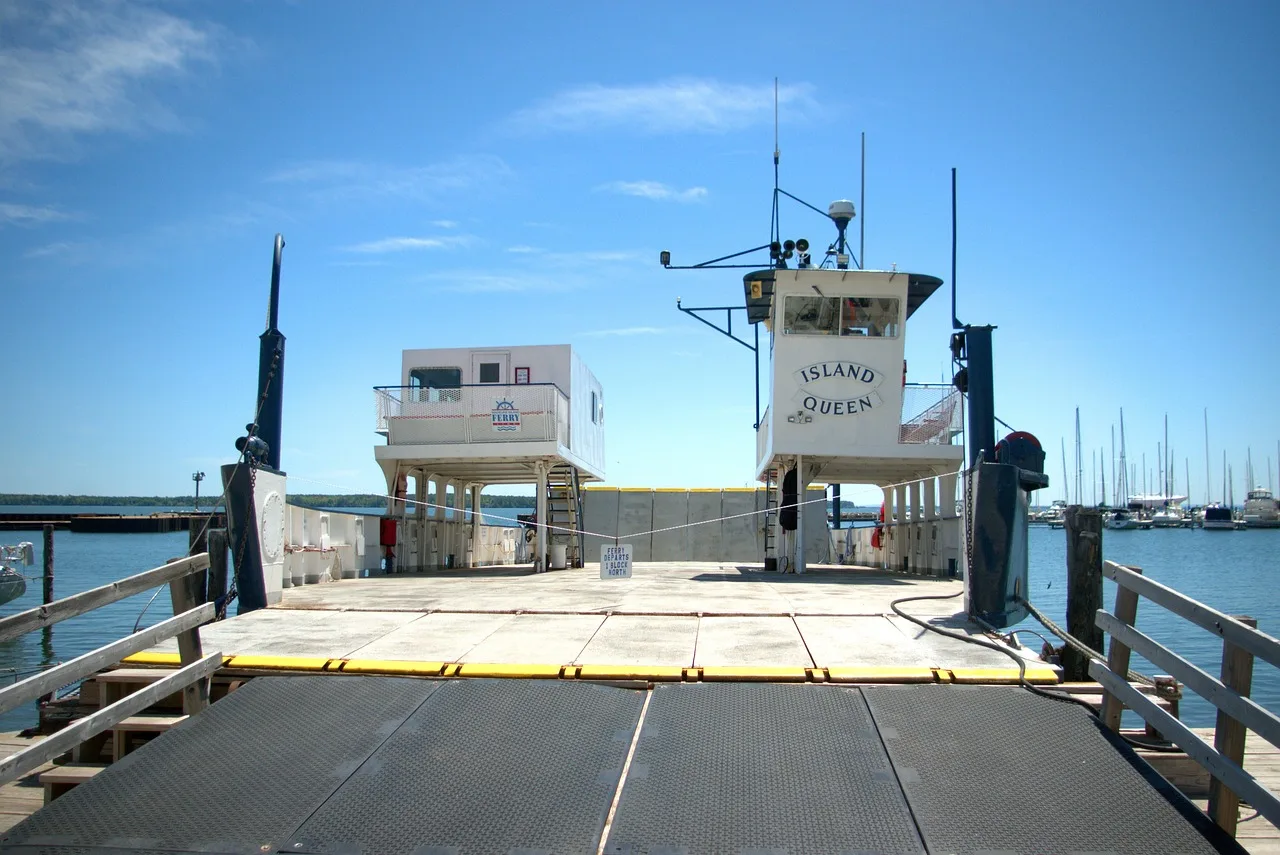
Industry
Part of Eleven shapes of island day trip, and what each one asks of your schedule
How island businesses can make day trips work better: the short version
What harbor businesses can do for day visitors: honest sailing information, litter handling, and working with the coastal management rules already in place.
What to take away
- The most valuable thing an island business can publish is accurate information about the boat, not about itself.
- Litter on a visitor coastline is dominated by one item, and it is smaller than most people expect.
- Coastal management in the United States runs through a legal framework that has been in place since 1972.
- Businesses that plan for the canceled sailing keep customers. Businesses that ignore it lose them twice.
Publish the thing visitors actually need
Day visitors arrive with one question that outranks all others: when do I have to leave. A cafe, shop or accommodation that puts today's last sailing on a chalkboard by the door does more for its customers than any amount of marketing.
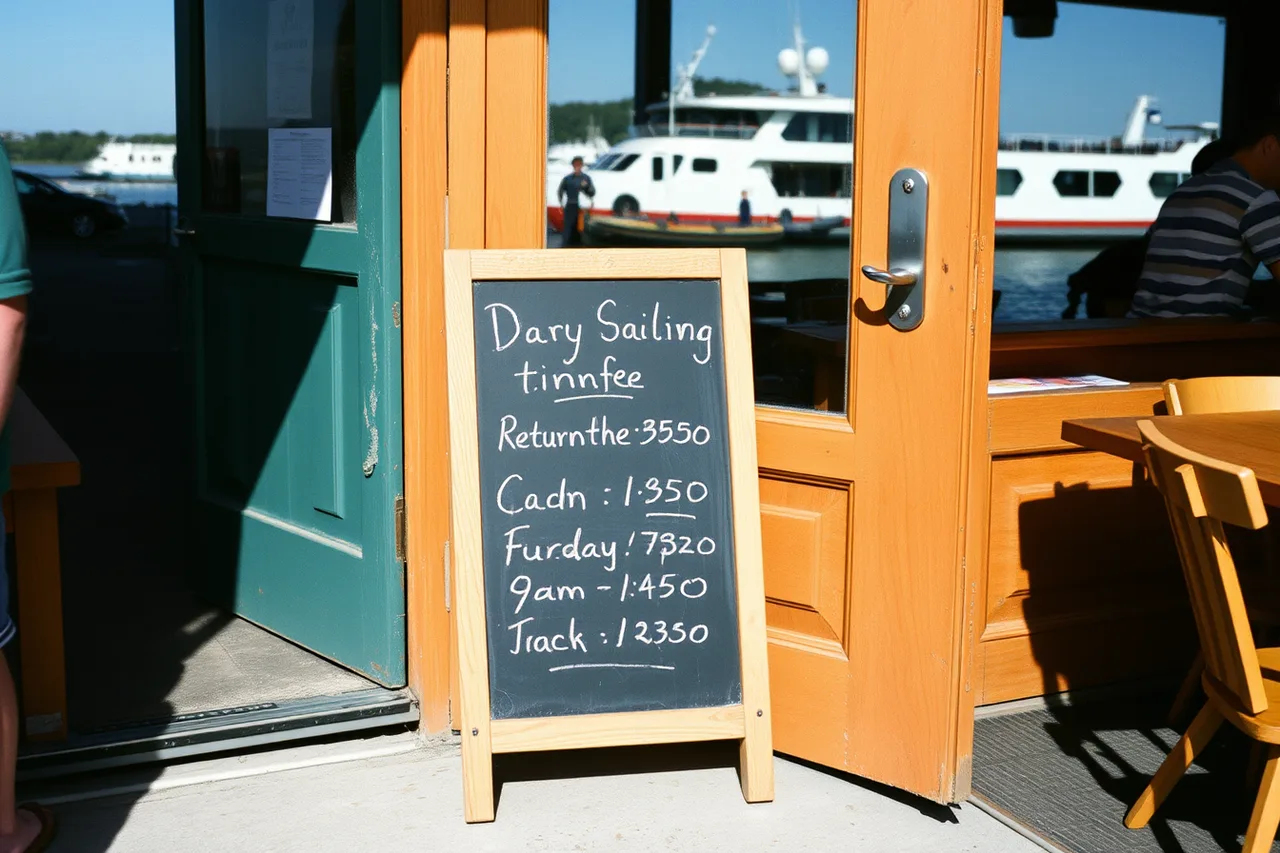
A working layout is short. On a cafe door it reads: LAST BOAT BACK 17:40. That is the line people scan for before they read the menu.
Operators publish the source. Washington State Ferries and the Steamship Authority both post current timetables, so the board can be checked each morning.
Three low-cost moves make a measurable difference:
- Write the board fresh each morning, checked against the operator's own timetable.
- Say plainly what is open today, especially out of season.
- State whether cards work when the signal drops, and keep a cash option.
None of this costs anything. All of it prevents the experience that makes visitors not come back: missing the boat, or walking to a closed door.
A single board at the landing shows walking times to the village, the beach and the nearest toilet. It solves the questions every arriving group asks in the first five minutes.
It spreads visitors across an island instead of concentrating them at the first thing they see.
Deal with the litter that actually turns up
Coastal litter is not evenly distributed. NOAA reports that cigarette butts rank as the most common marine debris. The ranking comes from Ocean Conservancy's International Coastal Cleanup, which has counted cigarette butts at the top for years.
Most filters are made from cellulose acetate, a plastic-like material. They reach waterways mainly through improper disposal on beaches and land, then get carried to the coast by runoff and stormwater.
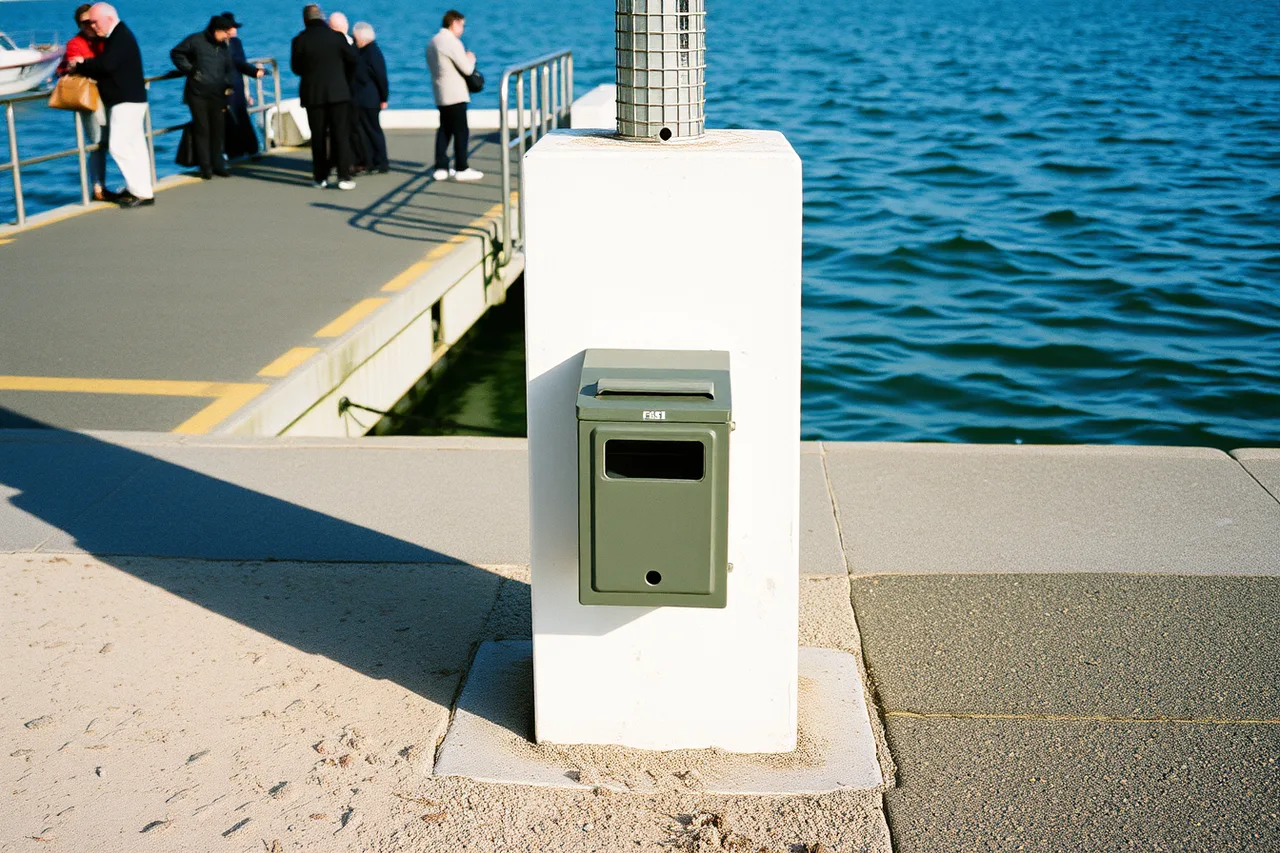
For a business beside a ferry landing, that points to something concrete. Put proper receptacles where people wait, empty them, and put one near the smoking area rather than expecting people to walk. A queue at a ramp is exactly where this litter is generated.
Wall-mounted receptacles typically cost $20 to $60. A freestanding ash and litter station runs about $150 to $400.
Work with the framework that already exists
Coastal businesses do not operate in a vacuum. NOAA describes coastal zone management as balancing environmental, economic, human health, and human activity concerns.
The Coastal Zone Management Act of 1972 still structures it through two core programs: the National Coastal Zone Management Program and the National Estuarine Research Reserve System. Congress last reauthorized the act in 1996, and later amendments have updated parts of it. That reserve network covers 29 protected areas for long-term research, education, and coastal stewardship.
The quickest check is your state coastal program office, listed by the NOAA Office for Coastal Management.
Knowing which programs touch your stretch of coast turns compliance from a nuisance into an asset. A business that can tell a visitor which reserve they are standing beside, and what that means, is selling something no chain can copy.
Plan for the day the boat does not run
The canceled sailing is a business event, not just a traveler's problem. Places that handle it well keep a short list ready: which accommodation has last-minute rooms, whether the kitchen can stay open later, and what a stranded family can do for three hours. Places that handle it badly lose the customer and the story they tell afterwards.
Guides face the same question from the other side, covered in our piece on finding a good local guide.