Features
Eleven shapes of island day trip, and what each one asks of your schedule
Eleven island day trips by ferry, from Isles of Shoals to Dry Tortugas, each with distinct timetables, and what every one asks of your schedule.
What to take away
- The return sailing is the only fixed point in an island day trip. Build the day backwards from it.
- Each island type has one constraint that decides the triptide, reservation, last boat or weather.
- Some islands need a reservation weeks out, not a decision at the dock that morning.
- A beach access point on an old map may be closed, moved or gone.
- Pick the shape of day first, then find a route that supports it.
Eleven island day trips and the schedule each demands
The eleven island day trips below each name the island, the boat that reaches it, and the one thing that sets the clock: a permit, a tide, a reservation line or a last sailing.
1. Isles of Shoals, New Hampshire and Maine. Nine islands about six miles off Portsmouth. Seasonal passenger boats run from Portsmouth and Rye Harbor, one operator each with a single daily window, and no cars. The crossing takes roughly an hour each way, so the boat schedule sets the whole day.
2. Assateague Island, Maryland and Virginia. A barrier island with wild horses, reached by vehicle ferry at Chincoteague or by bridge at Assateague State Park. The Chincoteague refuge charges a per-vehicle entrance fee. Sand moves, so access points close or shift between seasons.
3. Block Island, Rhode Island. A working village, a boatyard, and a summer fleet from Point Judith and New London. Interstate Navigation runs the conventional ferry from Point Judith year round, and the seasonal fast boat shortens the crossing to about thirty minutes. The last return is the fixed point.
4. Boston Light, Massachusetts. A lighthouse on Little Brewster Island, first lit in 1716. Reach it by permitted boat only, on ranger-led trips that run on selected summer days. Landings are limited and weather-dependent, so a permit slot decides the date.
5. Peaks Island, Maine. Casco Bay Lines runs year-round from Portland, about twenty minutes each way, with adult round trips typically under $15. Tide pools and rocky shore reward low-water timing, so check the tide table before you book the boat.
6. Sapelo Island, Georgia. A barrier island with a salt marsh research reserve, reached by the state-run ferry from Meridian. The ferry keeps a limited schedule, and most of the island, including the lighthouse and the Reynolds Mansion, requires a reservation.
7. Dry Tortugas, Florida. A fort and shipwreck site seventy miles west of Key West, reached by the Yankee Freedom ferry or by seaplane. The crossing runs about two and a half hours each way, and seats sell out days ahead. The park charges a per-person entrance fee on top of the ferry ticket, typically around $200 per adult as of 2026.
8. Mackinac Island, Michigan. No cars. Shepler's and the Mackinac Island Ferry Company run from Mackinac City and St. Ignace, take bikes and luggage for a fee, and cross in about twenty minutes. Round-trip fares typically run about $30 per adult. Bike space fills before foot passenger space.
9. San Juan Islands, Washington. Washington State Ferries runs the Anacortes route through Lopez, Shaw, Orcas and San Juan, calling at Friday Harbor. One ticket allows stopovers, foot passengers need no reservation, and the last Anacortes sailing is the real risk.
10. Channel Islands, California. Santa Cruz and Anacapa are reached by Island Packers from Ventura Harbor. Anacapa sits about an hour offshore and Santa Cruz a little farther out. Landings are permitted, guided and weather-dependent.
11. Cuttyhunk, Massachusetts. The last of the Elizabeth Islands, reached by the Cuttyhunk Ferry from New Bedford. The crossing runs about an hour, the village is small and quiet, and the last boat leaves early.
Archipelagos change the arithmetic
NOAA defines an archipelago as a chain or group of islands scattered in lakes, rivers or the ocean. Most form when volcanoes erupt from the ocean floor.
Archipelago vs single island
Archipelago chain
- Landings
- Multiple possible
- Ticket
- One ticket structure
- Geology
- Similar islands
- Rules
- Administratively separate
- Operators
- Different operators
- Seasons
- Different seasons
Single island
- Landings
- One landing
- Ticket
- Single crossing
- Geology
- One landmass
- Rules
- One set
- Operators
- One operator
- Seasons
- One season
Political borders sometimes split geologically related groups, as with the Gulf Archipelago and Washington State's San Juan Islands.
For a day tripper this means two things. Multiple landings are often possible on one ticket structure. Islands in a chain can be geologically similar but administratively separate, with different rules, different operators and different seasons.
Barrier islands are a moving target
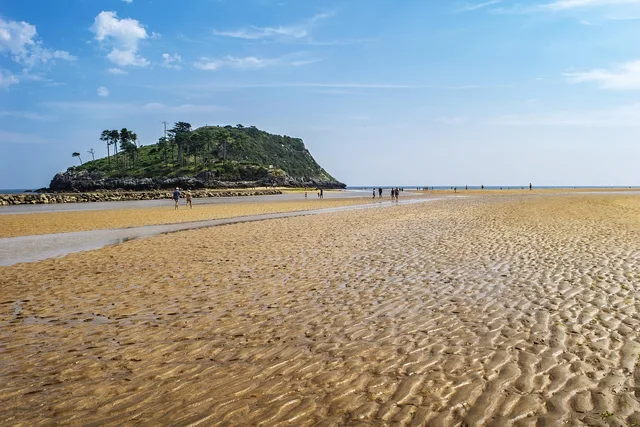
Barrier islands are not stable ground. NOAA describes barrier islands as constantly changing sand deposits built parallel to the coast by waves moving sediment. They move, erode and grow with weather patterns, and can disappear entirely.
Beaches and dunes form on the ocean side. The landward side often holds marshes, tidal flats and maritime forest, which shelter seabirds, fish, shellfish and nesting sea turtles.
Take that seriously when planning. A beach access point that existed two seasons ago may be closed, moved or gone, and a trail marked on an old map may now end in water.
Matching the shape to the schedule
| Island day | The fixed point | Book or check |
|---|---|---|
| Isles of Shoals, NH and ME | One daily seasonal boat | Operator's sailing calendar |
| Assateague Island, MD and VA | Vehicle ferry queue | Chincoteague ferry timetable |
| Block Island, RI | Last Point Judith return | Year-round versus summer schedule |
| Boston Light, MA | Permit slot | Weather hold policy |
| Peaks Island, ME | Casco Bay Lines evening boat | Tide table for the shore |
| Sapelo Island, GA | Reserved ferry seat | State ferry reservation line |
| Dry Tortugas, FL | Yankee Freedom departure | Sell-out date, not departure day |
| Mackinac Island, MI | Last ferry off the island | Bike space on the boat |
| San Juan Islands, WA | Anacortes last sailing | WSF reservation and standby rules |
| Channel Islands, CA | Island Packers landing time | Permit and weather call |
| Cuttyhunk, MA | Early last boat | Seasonal service window |
Build the day backwards
Find the last sailing back, subtract the walk to the terminal, subtract a margin, and that is when your day ends. Then decide what fits. This one habit prevents most island day trip failures. The common error is planning forward from arrival and discovering the return at four in the afternoon.
A second habit worth keeping is choosing one thing that would still be worth the trip in poor weather. Our two-day island itinerary shows how that works over a longer stay.
Common questions
How long should an island day trip be?
Whatever the boat allows. Most useful island days are between four and seven hours ashore, which is less than people assume when they book. Dry Tortugas and Channel Islands eat more of that window in the crossing itself.
Can I bring a bicycle?
Often yes, sometimes with a charge and a reservation. Mackinac and the San Juan Islands fill bike space before foot passenger space. Confirm with the operator, because the rule differs by route.
Are island beaches safe to swim from?
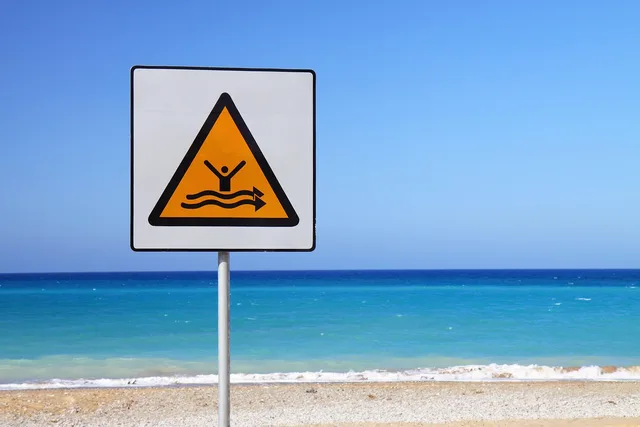
Treat every unfamiliar beach as unknown. Check local advisories, look for lifeguards, and read the conditions before entering the water. Ask a physician about any medical concern.
How do I plan the trip itself?
Start with the crossing rather than the island. Our practical U.S. ferry travel guide sets out the order.
In this guide
- Building a two-day island trip around the tide, not the clockA two-day island plan that puts low water, beach safety and the last sailing in the right order, with a template you can fit to any short crossing.
- What first-time visitors miss about island day trips: the honest pictureThe things people learn the hard way on a first island day trip: rip currents, water quality advisories, closing times and the walk back to the boat.
- Mainland harbor town or island base: how to choose a place to stay for ferry day tripsHow to pick between a mainland harbor town and an island bed for a ferry trip, plus the flooding question to ask about low-lying waterfront rooms.
- How island businesses can make day trips work better: the short versionWhat harbor businesses can do for day visitors: honest sailing information, litter handling, and working with the coastal management rules already in place.
- The questions that decide whether a booked island trip worksThe questions that decide whether an island day trip works: sailing policy, advisory language, boarding details, and where to check conditions yourself.