Maintenance
Part of Eleven shapes of island day trip, and what each one asks of your schedule
What first-time visitors miss about island day trips: the honest picture
The things people learn the hard way on a first island day trip: rip currents, water quality advisories, closing times and the walk back to the boat.
What to take away
- Rip currents are the most serious hazard most island visitors will meet, and the escape technique is counterintuitive.
- Water quality advisories and closures exist, they are decided locally, and there is no single place to look them all up.
- Island opening hours are shorter than mainland hours, and the last boat is earlier than you think.
- Cash, water and a charged phone solve most of the small problems.
The hazard people underestimate
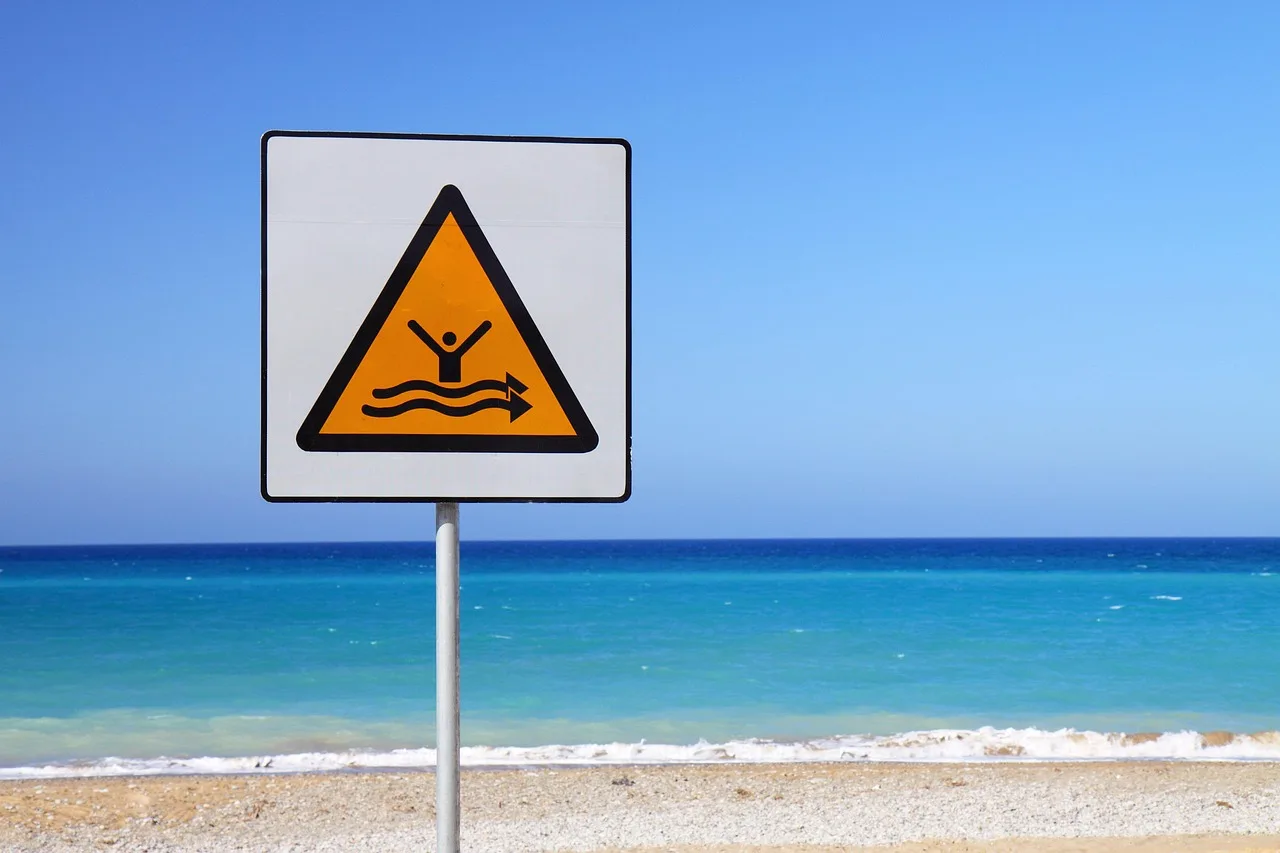
Rip currents are the thing to know before the beach, not after. NOAA describes them as powerful, narrow channels of fast-moving water found along the East, Gulf and West coasts and on the Great Lakes shores. They move at speeds up to eight feet per second, faster than an Olympic swimmer.
How to escape a rip current
- Do not swim straight back to shore
- Swim parallel to the shore
- Come back to land at an angle
- Read this twice before beach day
Panicked swimmers try to swim straight back to shore against the current and put themselves at risk through exhaustion. Lifeguards rescue tens of thousands of people from rip currents in the United States each year, and roughly 100 people are killed by them annually.
The advice is to not fight it: swim parallel to the shore, then come back to land at an angle. Read that twice before a first island beach day, because the instinct in the moment is exactly wrong.
The same rule covers the Atlantic beaches of Block Island and Nantucket, the Gulf shore at Sanibel, and the Great Lakes beaches near Ludington, Michigan.
Water quality is a local decision
The second surprise is arriving to find swimming discouraged or prohibited. NOAA explains that beach advisories and closures happen when water testing shows contaminants above healthy standards.
Closure vs advisory
Closure
- Who decides
- State or local government
- Swimming status
- Judged unsafe
- Where to check
- Local authority
- Central database
- None exists
Advisory
- Who decides
- You
- Swimming status
- Your decision
- Where to check
- Local authority
- Central database
- None exists
The distinction matters: during a closure, state or local government has judged conditions unsafe for swimmers and other users, while an advisory leaves the decision to you. The same page notes there is no central database listing them all, which is why the answer has to come from the local authority for that beach.
Practical version: check the program that tests your destination beach the day before. In Washington, that is the Department of Ecology's BEACH Program. In California, it is Heal the Bay's Beach Report Card. Both publish current results for named beaches.
Then ask at the terminal or the visitor center on arrival. If a beach is posted, take the notice at face value rather than judging the water by how it looks, since the contaminants involved are not visible.
The timing errors
- Assuming the last boat is late.On many routes it is mid-afternoon out of season, and both the Point Judith to Block Island ferry and the Woods Hole to Martha's Vineyard run publish separate winter and summer timetables. Check the operator's timetable the day before, and plan the return before you book the outbound.
- Assuming lunch will be available.One cafe, closed Tuesdays, is a normal island situation.
- Assuming cards work.Card machines depend on the same signal your phone does.
- Assuming the walk is short.Island distances look small on a map and take longer over sand, dune or an unpaved track.
- Assuming you can top up water.Carry it. Many islands have no shop.
- Assuming a return ticket guarantees a seat.On a busy summer day it may guarantee travel, not a specific sailing.
Habits that hold up on any island day trip
They pick the earlier boat out and back. They eat before hungry and carry cash. On arrival they ask one local question, usually "what closes early today," then adjust.
They pick a destination that suits the season instead of fighting it, using our seasonal guide to ferry trips, which sets out which months suit which routes.