Guides
Ferry trips planning: what to settle before you book
Ferry trips planning in order: understand the tide, find the marine products for your water, check the ticket terms and documents, then confirm on the morning.
What to take away
Ferry trips planning comes down to order: settle the water, the crossing, the bed, and the paperwork before any money moves — then check it all again on the morning.
- Plan in this order: understand the water, choose the crossing, book the bed, then settle documents and confirm everything again close to the date.
- Tides are the most predictable thing about a coastal trip, which makes them the cheapest planning input available.
- Know your marine products before you need themthe National Weather Service forecast for your coastal or offshore zone, the nearest National Data Buoy Center station, and NOAA Weather Radio on VHF.
- Ask the operator what happens when a sailing does not run, and get the answer before you pay: who decides, what the ticket is worth, and when the next boat leaves.
- Settle passports or other border documents, the vehicle declaration, and the check-in cut-off before the booking, not at the ramp.
Step one: understand what the water does here
Tides are gravitational, regular, and knowable. NOAA describes them as very long-period waves moving through the ocean in response to forces exerted by the moon and sun, arriving at the coast as a regular rise and fall.
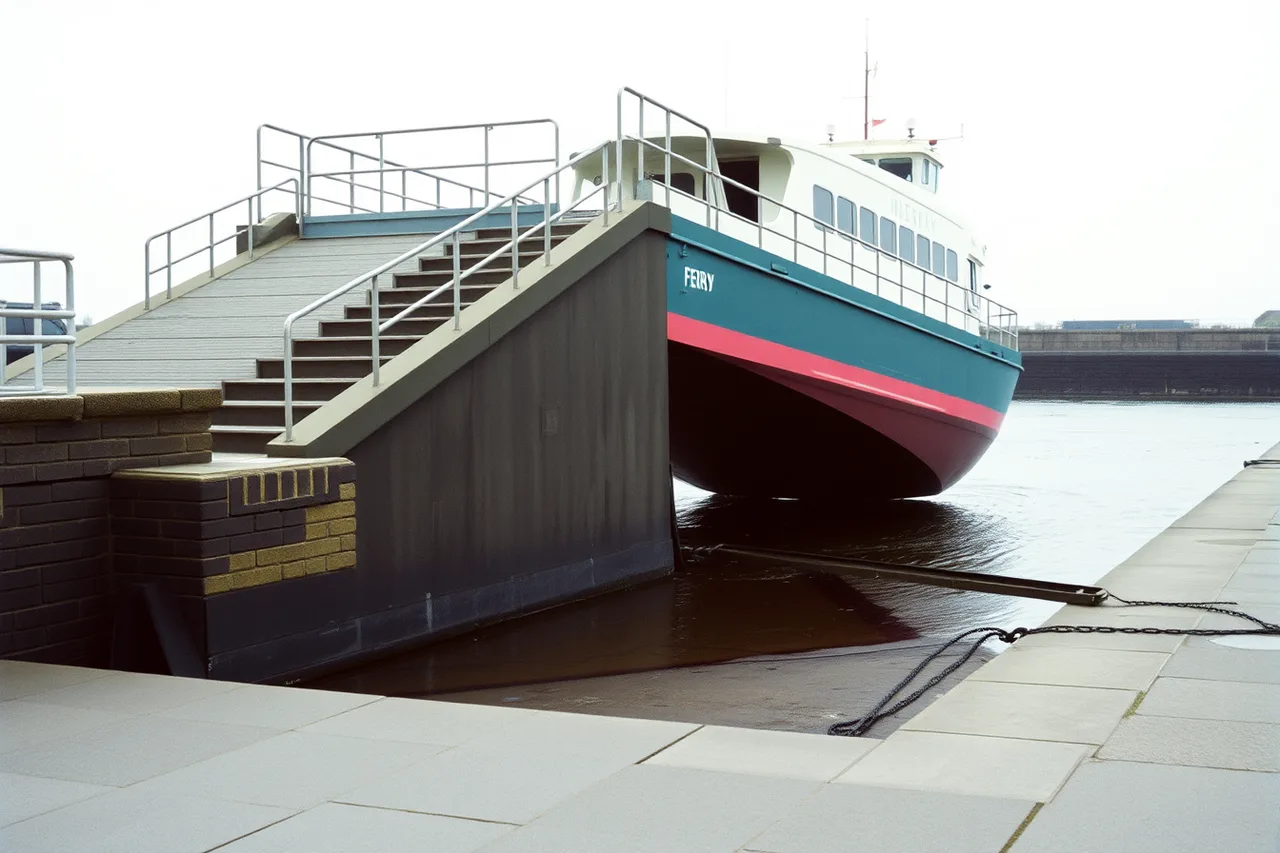
High tide is that wave's crest at your location; low tide is the trough; the difference is the tidal range.
Range is the number that matters to a passenger. A route with a small range behaves the same all day. A route with a large range can mean a steep ramp, a different berth, or a sailing time that moves through the week for reasons that have nothing to do with demand.
Step two: find the products that cover your crossing
Marine information is a family of products, not one page, and the first one you want is the National Weather Service marine forecast for the zone that covers your crossing: coastal waters forecasts for inshore legs, offshore waters forecasts for open water. The National Weather Service maintains a marine services FAQ that explains the products and shows how to pull a forecast or a buoy observation by phone.
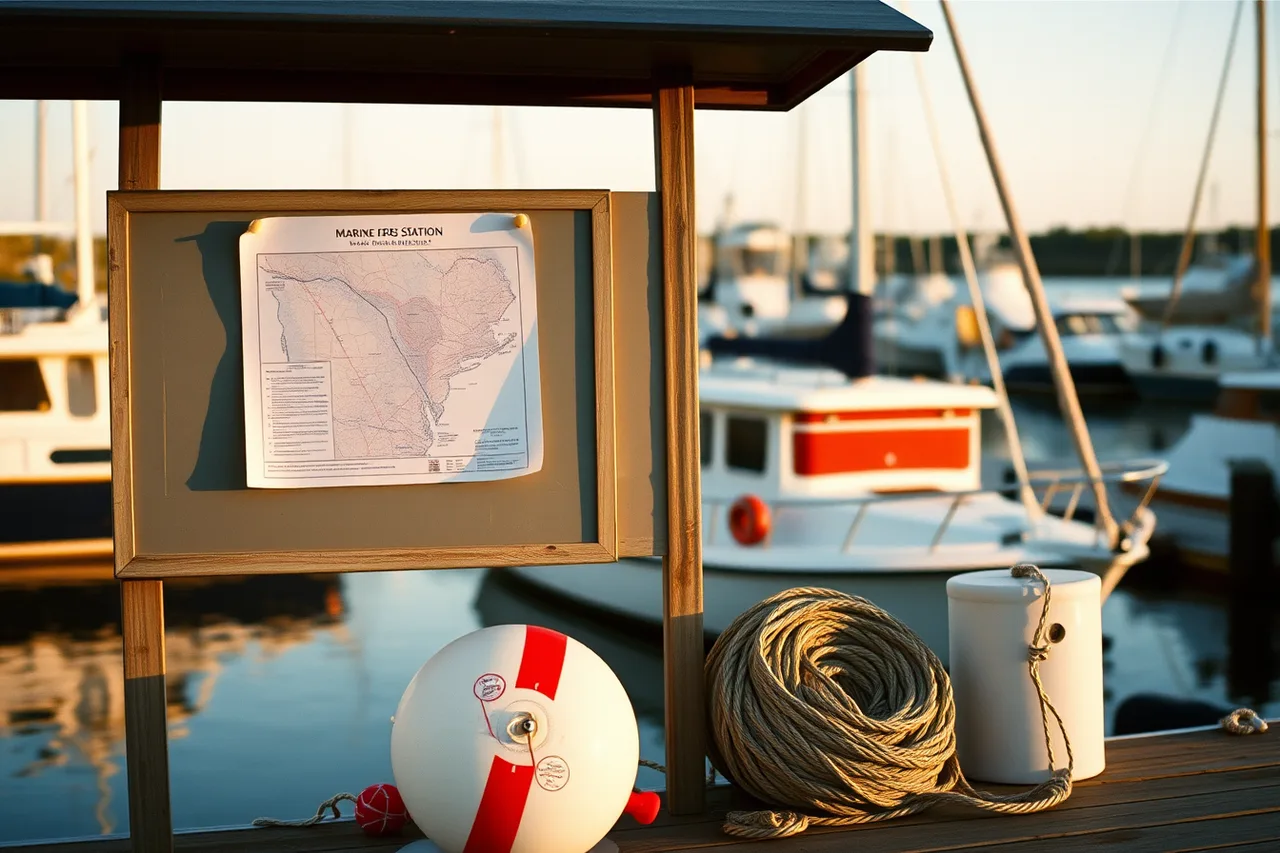
On the observation side, the National Data Buoy Center publishes station data — wind speed and direction, wave height, water temperature — from buoys and coastal stations, and the FAQ explains how to read a station plot. NOAA Weather Radio carries the marine forecast as a continuous VHF broadcast, and VHF channel 16 is the distress and hailing channel if something goes wrong at sea.
The phone and radio routes matter more than they sound. Terminals sit in awkward places for cell coverage, and a broadcast forecast does not care whether your data plan works.
Step three: book in the right order
- Fix the dates you cannot move first, such as a flight or an event.
- Reserve the crossing next, especially with a vehicle or in high season — vehicle deck space and the last sailing of the day are what sell out.
- Read the fare terms before you paythe change and cancellation window, whether rebooking is allowed, and whether a cancelled sailing is refunded or held as a credit.
- Book accommodation third, refundable where the route is exposed.
- Add activities last, and only where losing one would not break the trip.
- Re-confirm the sailing with the operator close to the date, and again that morning.
Reversing steps two and three is the classic error. People choose a hotel, then discover the only boat that reaches it leaves before they can get there.
Step four: settle documents, the vehicle and the cut-off times
Documents come before the booking. A domestic crossing often needs nothing more than a name, but an international one — a U.S.–Canada or U.S.–Mexico route, for example — needs a passport or another Western Hemisphere Travel Initiative–compliant document for every passenger, children included. Check expiry dates, check what the destination country asks of your nationality, including any visa, and check it before the fare is paid.
A vehicle is its own declaration: length and height, registration and plate, how many people are traveling in it, and the fuel type if it is electric or runs on gas. Pets have their own rules too — whether they stay in the car, travel in a carrier, or need vaccination paperwork.
Then get the clock. Ask for the check-in and boarding cut-off for foot passengers and for the time a vehicle must be in the queue, and write both into the plan for the day.
Step five: write down the failure plan
Before you pay, get the operator's answers in writing — including the weather cancelation policy — and save the replies with a date:
- Who decides whether the boat sailsthe Coast Guard sets the safety rules the ferry must meet, and the operator makes the call — and how is a cancellation announced?
- What does my ticket allowa rebooking, a refund, or a credit — and by when?
- If the sailing is cancelled, is there space on a later boat the same day, and does it take foot passengers?
- What is the check-in and boarding cut-off, and what time must a vehicle be in the queue?
- Which documents does each passenger need, and what must I declare for the vehicle and for any pets?
- Can the ticket be moved to another person or another date?
Then write your own fallback in one line: where you sleep and what you do if the crossing does not run. A fallback invented at a ramp in the rain is not a fallback.
What we will never publish
No timetables, no fares, no crossing durations. Those belong to the operator, they change with season and vessel, and a stale number is worse than no number. What you can settle before you pay — the marine products for your water, the ticket terms, the documents, the vehicle declaration, the cut-off times — is what this list is for. For the packing side of the same trip, see our list of what to bring when the ferry is the trip.
Common questions
How far ahead should I book a ferry?
Can I plan a ferry trip without checking a forecast?
Does a rough forecast mean the sailing is canceled?
Where do I start if this is my first coastal trip?
In this guide
- Choosing the best season for a ferry trip, month by monthHow season shapes a ferry trip: service frequency, tropical storm timing, water temperature, and why shoulder season costs less but risks more.
- Layering for a ferry crossing: what to pack and what to skipA packing list built for a ferry deck: layers for wind, motion sickness planning, cold water safety, and the small items that matter on a long crossing.
- Ferry trip costs split into three blocks, plus an example for two adultsFerry trip costs split into three blocks: getting to the terminal, the crossing and the nights on the far side, with an example for two adults and savings tips.
- Finding a ferry route guide who actually knows the waterWhere to look for guides on a ferry route, how to check permits and wildlife conduct, and the questions that separate a professional from a good talker.
- 4 details of accessible ferry travel people missAccessibility on a ferry route depends on the ramp, the tide and the terminal. The specific questions to ask, and why water level changes the answer.