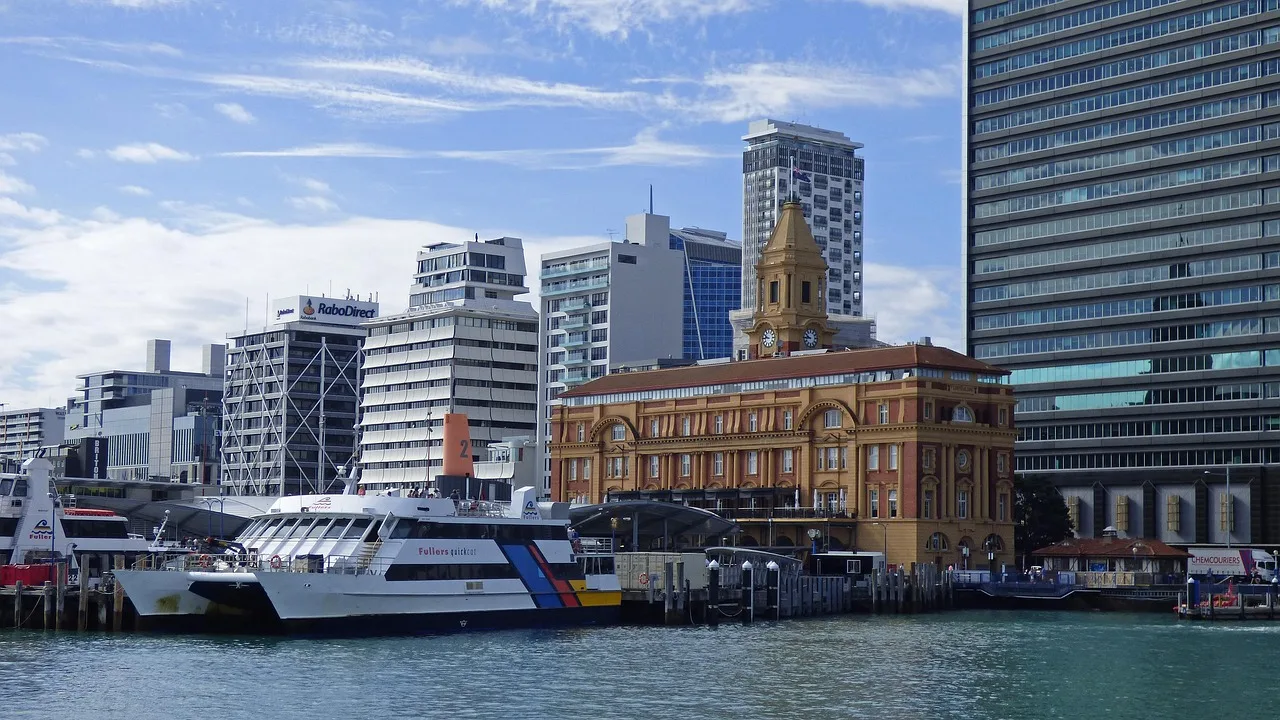
Costs
Part of Ferry trips planning: what to settle before you book
Ferry trip costs split into three blocks, plus an example for two adults
Ferry trip costs split into three blocks: getting to the terminal, the crossing and the nights on the far side, with an example for two adults and savings tips.
What to take away
- Three blocks carry the moneyreaching the terminal, the crossing, and the nights on the far side.
- A crossing can be free, as on the Staten Island Ferry, or cost the low hundreds of dollars once a car, a cabin and a peak-season berth are added.
- Far-side nights usually beat the ticket as the largest single line in the budget.
- Two adults, one night on an island, travelling walk-on, typically lands between USD 285 and USD 465.
- Every figure here is illustrative and stated as of August 2026. Get dated quotes from the operator before booking.
The three blocks that decide the total
Getting to the terminal. Fuel or a train fare, plus parking for the whole trip rather than departure day. A downtown garage near a busy ferry dock can run USD 25 to USD 45 a night in peak season.
The crossing. Foot passenger and vehicle are different products. A vehicle carries a length-based supplement, tighter reservation pressure, and less room to switch sailings.
The nights on the far side. Island beds are scarce, and scarcity sets the price. Where there is no late sailing, the market knows you cannot leave.
Ferry Trip Cost Blocks
Getting to the boat
- Main cost driver
- Parking
- Booking pressure
- Remote lot shuttle
- Flexibility
- Train or fuel
The boat itself
- Main cost driver
- Vehicle supplement
- Booking pressure
- Tighter reservations
- Flexibility
- Less sailing switching
Staying on the far side
- Main cost driver
- Scarce accommodation
- Booking pressure
- No late sailing
- Flexibility
- Market sets price
What a crossing costs, route by route
What a crossing costs
Foot passenger
- Staten Island to Manhattan, NYC DOT
- free
- Seattle to Bainbridge Island, Washington State Ferries
- low teens per adult
- Tsawwassen to Swartz Bay, BC Ferries
- high teens to low twenties
Car with driver
- Staten Island to Manhattan, NYC DOT
- no vehicles carried
- Seattle to Bainbridge Island, Washington State Ferries
- mid tens and up
- Tsawwassen to Swartz Bay, BC Ferries
- roughly 75 to 95 with driver
Currency
- Staten Island to Manhattan, NYC DOT
- USD
- Seattle to Bainbridge Island, Washington State Ferries
- USD
- Tsawwassen to Swartz Bay, BC Ferries
- CAD
Bands above are typical ranges, not quotes, and stated as of August 2026. Operators revise fares and add fuel surcharges.
Washington State Ferries publishes its own fare table for the Seattle to Bainbridge Island run, split between walk-on passengers and vehicles (official Washington State Ferries fares).
The Staten Island Ferry is the cheapest crossing in the country because it is free, a policy set out on the New York City DOT ferry page. It carries no vehicles, so it is a walk-on product by design.
BC Ferries sails Tsawwassen to Swartz Bay for Victoria and quotes in Canadian dollars (BC Ferries background). A card payment adds a conversion spread of a percent or two.
Season moves these bands more than anything else, and choosing the best season for a ferry trip sets out the month-by-month pattern.
Example: two adults, one night on Bainbridge Island
Figures are illustrative, in USD, stated as of August 2026.
Two adults, one night
- Transit to Colman Dock and backabout USD 12 for two adults.
- Walk-on ferry, both directionsabout USD 20 for two, since many routes collect the fare in one direction only.
- Parkingnothing. The car stays home, saving USD 30 to USD 45 a night.
- One night in an island inn or rental, peak seasonUSD 180 to USD 320.
- Meals for two, one dinner and one breakfastUSD 70 to USD 110.
Total: roughly USD 285 to USD 465 for two people, one night, one crossing each way.
Bring a car and the crossing line alone moves into the mid tens of dollars or higher. Marine Atlantic charges a berth or cabin on top of the vehicle space on its overnight run to Newfoundland.
Booking fees, currency and surcharges
Three small lines appear after the headline fare. Booking fees apply on some online systems, and a phone booking can cost more than a web booking.
Currency matters at a border. A fare quoted in CAD is not a fare in USD, and the gap moves with the exchange rate.
Fuel surcharges come and go with the operator. Holiday and peak-season sailings often price above the shoulder months. Check the date on any fare page before you trust the number.
Turning quotes into a workable budget is a separate step, covered in building a ferry budget from real quotes.
Cutting the total with real savings
- Walk on and leave the car behind. This removes the vehicle fare, the length supplement and terminal parking.
- Book the early sailing. A missed early boat usually has a later fallback, and a missed last boat does not.
- Eat the main meal on the mainland. Island kitchens price higher in season.
- Travel midweek, outside July and August. Island beds fall sharply off peak.
- Compare a return ticket against two singles. Some operators price the return below both legs bought separately.
Walking on and parking at home saves a couple roughly USD 40 to USD 80 on a short crossing.
The bed is where the bigger money sits, and moving a weekend off peak can cut USD 60 to USD 120 a night.