Guides
Part of Which walk-on ferry routes suit which travelers in 2027, in plain terms
Walk-on ferry routes packing list: names, dates and context as of 2027
A walk-on ferry packing list for named 2027 routes, from Maine's Casco Bay to the Alaska Marine Highway, built around what one person can carry alone.
What to take away
- Everything you bring, you carry. That rule settles most packing arguments on a walk-on trip.
- Named walk-on routes for 2027Casco Bay Lines, the Cape May-Lewes ferry, the Lake Michigan crossings, Washington State Ferries and the Alaska Marine Highway.
- Wind on an exposed deck removes heat faster than the same temperature ashore. Pack one layer above what feels sensible.
- The windward side of an island is the wet side, and many crossings approach from it.
- A battery radio and a charged phone are the fallback on a winter route, not paranoia.
Pack for the walk, not the boat
The crossing is the easy part. The walk from a landing to a village, over an unpaved track, is where the packing decision is tested.
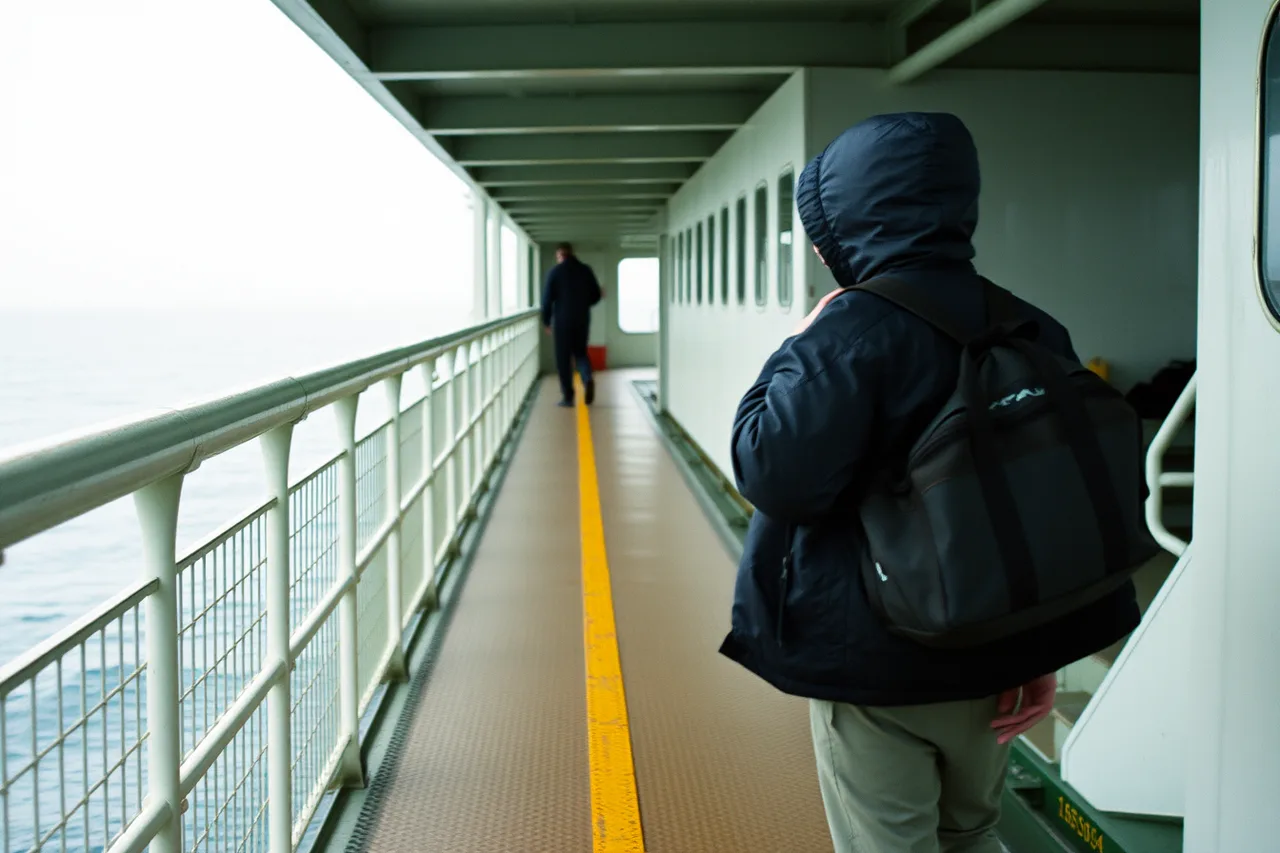
- A single bag you can carry for thirty minutes without stopping.
- Shoes that handle wet timber, wet stone and sand.
- A waterproof outer layer with a hood that stays up in wind.
- Water, and food that needs no preparation.
- A power bank, and cash for places where the card machine and your phone share the same dead signal.
Wheeled cases are a poor fit for most walk-on routes. Gangways, ramps, gravel and steps are the normal terrain.
Foot passengers board through a narrow gangway, sometimes in weather, often with people behind them. Walk-ons load before the cars on most of the routes below, or through a separate passenger gate.
What each named route asks of you
Casco Bay Lines runs the Maine State Ferry Service pattern of short hops out of Portland to Peaks Island, Great Diamond and Long Island. Crossings run roughly fifteen to forty minutes. Foot passengers buy at the terminal and board before the cars.
Peaks Island lands you in the village; the smaller islands drop you on gravel roads. Water, a shell and cash cover a day trip. Typical 2027 round-trip walk-on fares sit in the $8 to $16 range, and the operator's fare page carries the dated figure.
Cape May-Lewes crosses Delaware Bay between New Jersey and Delaware in about eighty-five minutes. Foot passengers board through a separate passenger walkway, ahead of the cars.
Both terminals sit outside the town centers: Lewes is about a mile and a half from the landing, Cape May about three miles. Pack a windproof layer and a bag you can lift over a rail; the bay wind crosses the open deck all year.
Typical 2027 one-way passenger fares run from about $10 to $18, season dependent.
Lake Michigan crossings include the following options:
- The SS Badger between Ludington, Michigan and Manitowoc, Wisconsin, a four-hour run.
- The Lake Express high-speed ferry between Muskegon and Milwaukee, about two and a half hours.
Both take foot passengers, and both load walk-ons through a passenger gate before the vehicles. The Badger's longer crossing rewards a warm layer even in July. On the Lake Express, the same warm layer belongs in the bag for a morning sailing.
The boats sail a seasonal timetable, typically May to October, and neither runs in winter. Both land within a mile or two of the downtowns. Typical 2027 one-way passenger fares run from about $80 to $150 by date and direction.
Washington State Ferries is the largest operator in the country, with walk-on access on the Anacortes-San Juan Islands and Edmonds-Kingston runs. Foot passengers load first on many sailings, which is the one real advantage of leaving the car behind.
Edmonds-Kingston takes about thirty minutes. Anacortes to Friday Harbor runs about an hour, longer with stops. The Friday Harbor landing is in the middle of town; the Kingston landing is a walk of roughly fifteen minutes to the shops.
San Juan sailings sell out in July and August. Typical 2027 walk-on fares run from about $5 to $16 one way, and the return trip is charged as a second fare.
The Alaska Marine Highway is the extreme case. Legs on the mainline run for days, cabins book out, and the deck is genuinely cold in summer. A sleeping bag, earplugs and food for the whole leg belong on the list.
Walk-on passengers board early and keep their bags with them. The Juneau landing is at Auke Bay, a transfer ride from downtown. Fares are distance based, from about $50 for a short hop to over $1,000 on a long leg, and a cabin costs extra. Winter sailings are fewer than the summer ones.
Day-trip routes carry walk-on bags at no charge. On the Alaska Marine Highway a published checked allowance applies, with a charge for excess.
Fares change. Check each operator's published fare page and date the figure before you budget.
Timing matters as much as any single item. Late June to early September is peak season on the Maine, Puget Sound and San Juan routes, and Alaska mainline sailings book out months ahead.
April, May, September and October bring wind and rain, thinner queues and lower fares. From November to April the year-round routes run winter timetables, and the Lake Michigan boats do not sail.
Dress for the exposed deck
Foot passengers spend more time outside than drivers, and a deck in wind is a heat-loss machine. One practical rule covers it: dress for the coldest point of the crossing, not the temperature at the dock, with a windproof shell over a warm layer.
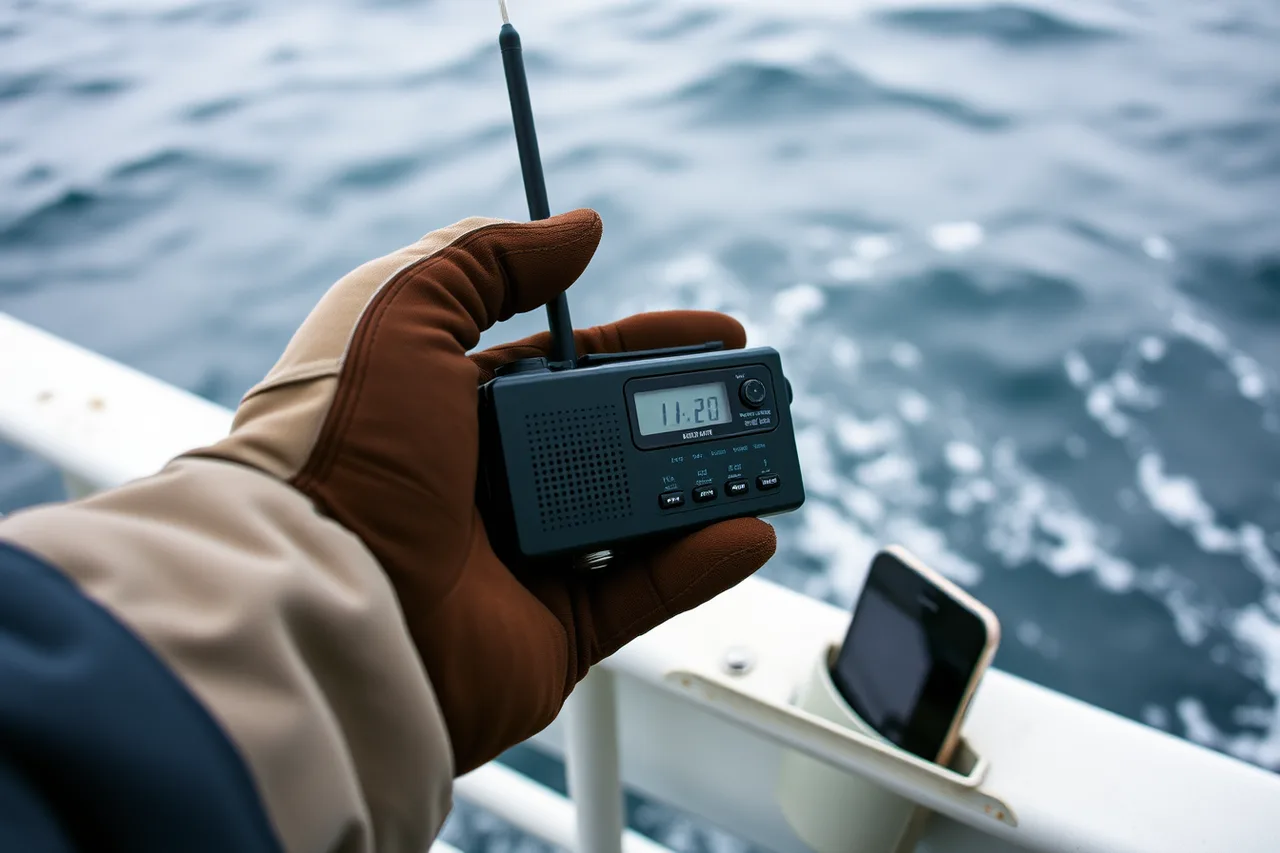
The National Weather Service page on preparing before a winter storm covers the rest. Cell coverage on a crossing is unreliable, so a small battery radio earns its place on a winter route.
Which side of the island is wet
NOAA explains that windward and leeward describe the two sides of an island relative to the prevailing winds: the windward side faces them, and the leeward side is sheltered by hills.
Moist air rises over high ground and drops its rain on the windward side, so one half of an island can be wet while the other stays dry.
For packing, check which side you land on and which side you plan to walk to, and take the waterproof even when the island forecast looks fine.
The short version by trip type
| Trip | Non-negotiable |
|---|---|
| Summer harbor shuttle (Casco Bay, Peaks Island) | Water, sun cover, cash |
| Shoulder-season island day (San Juan Islands) | Waterproof shell, warm layer, food |
| Winter crossing (Edmonds-Kingston) | Gloves, hat, battery radio, fallback plan |
| Overnight walk-on (Alaska Marine Highway) | One carryable bag, sleeping bag, nothing wheeled |
Common questions
Can I take a suitcase as a foot passenger?
Usually, but you will regret it on gravel and gangways. A backpack or a duffel is the better tool.
Is there luggage storage on board?
Sometimes a rack near the door, sometimes nothing. Assume you keep your bag with you.
Do I need waterproof trousers?
On an exposed winter route, yes. On a summer harbor hop, no.
What else changes for a foot passenger?
Quite a lot. Our general ferry packing list covers the shared items, and our walk-on route comparison covers which routes suit which travelers.