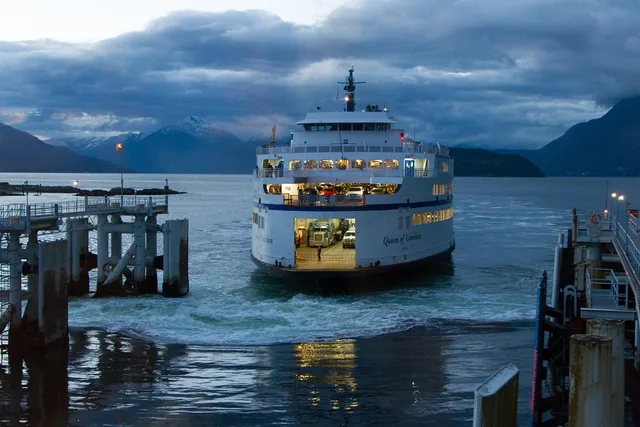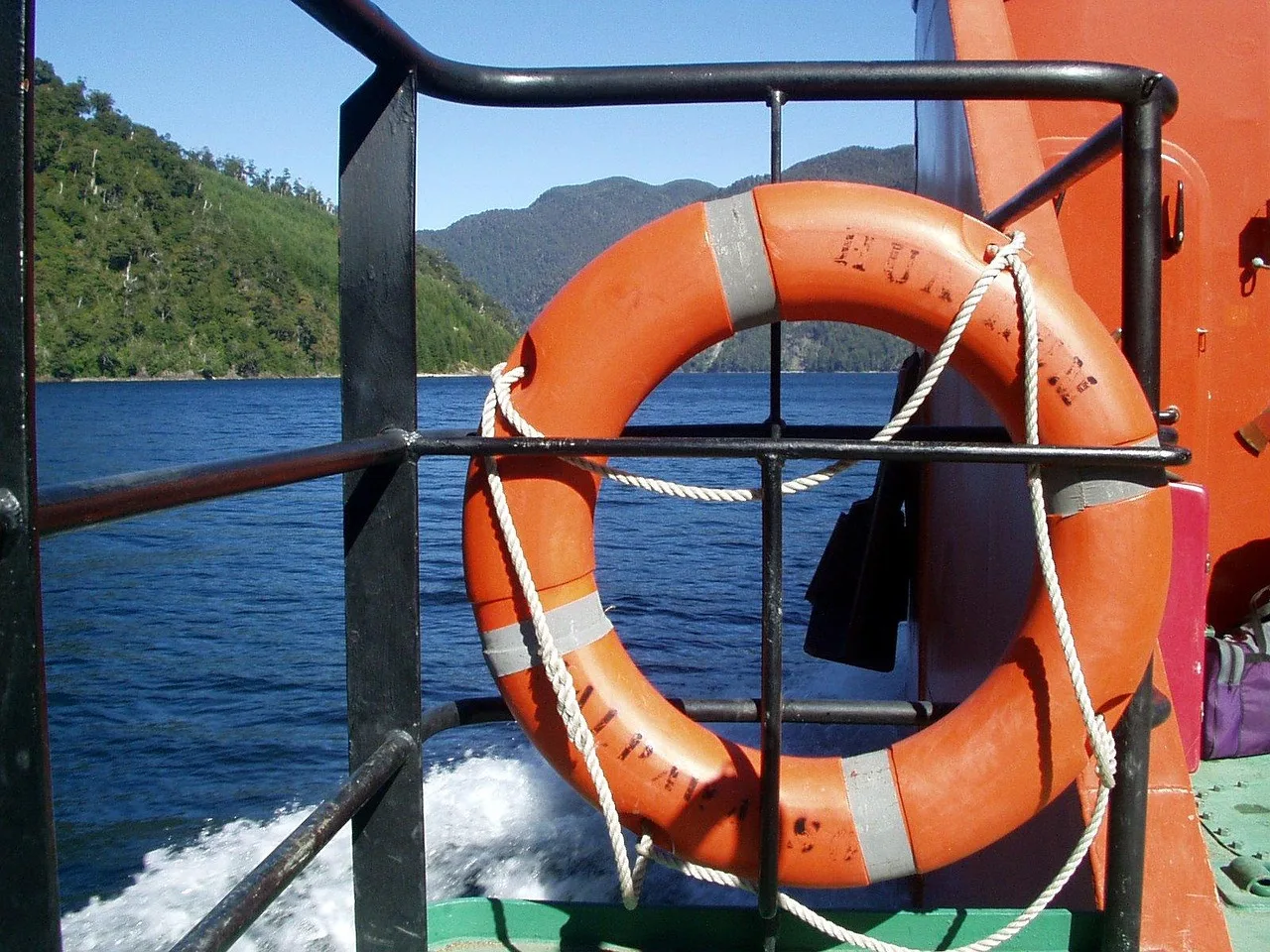
Guides
Part of Ferry travel gear reviewed: what holds up and what does not
Gear questions to ask before a ferry trip, and two nautical words to learn
What to ask before buying coastal ferry gear, how baggage limits really work, and the two nautical words that make crew instructions clear to follow.
What to take away
- Serviceability beats specification. Anything you cannot rinse, dry or repair will not last a coastal season.
- Learn port and starboard properly, because instructions on a boat are given that way for a reason.
- Load limits on ships are a marked, regulated thing, which is a useful way to think about your own bag.
- 2027 brings no gear standard change we can confirm. What shifts year to year is your route, your season and your carry distance.
The buying questions
- What standard was this tested to, and by whom? IPX7 means 30 minutes under a metre of water. EN 343 covers rain gear.
- Can it be rinsed in fresh water, and can it be fully dried?
- Can it be repaired, and are spare parts sold separately?
- Can it be operated with one cold, wet, gloved hand?
- What does it weigh, and would I carry it for thirty minutes?
- What happens when it fails, and does it fail safely?
The last question separates outdoor gear from consumer goods. A zip that fails open in wind is a different problem from a battery that stops.
Questions to ask before buying
- What standard was it tested to?
- Can it be rinsed and dried?
- Can it be repaired, parts sold?
- Operated with one gloved hand?
- What does it weigh to carry?
- How does it fail, and safely?
Ask them in that order, too. A seller who answers the standards question vaguely and the weight question precisely is telling you which side of the product they are confident about. That is worth knowing before the price comes up.
Three categories cover most ferry purchases: a dry bag, a waterproof phone pouch and a packable rain jacket. Buy the dry bag that closes flat and the jacket that packs into its own pocket.
Why the vocabulary matters
Instructions aboard a vessel use fixed terms, and misunderstanding them wastes time when you have none. NOAA explains why ships use port and starboard rather than left and right.

Port and starboard are fixed locations on the vessel and never change, so they stay clear whichever way a person faces. Facing the bow, port is left and starboard is right.
Starboard comes from the Old English words for steer and the side of a boat.
Learn the two words. Crew instructions, seating directions and the location of everything from the toilets to the muster point are given in them.
What the Plimsoll line says about your bag
NOAA describes the Plimsoll line as a reference mark on a ship's hull.
It shows the maximum depth the vessel may be safely immersed when loaded with cargo. The correct depth varies by ship dimensions, cargo type, season, and water densities in port and at sea.
Samuel Plimsoll, a member of the British Parliament concerned about ships and crews lost to overloading, persuaded Parliament to act in 1876.
The principle scales down. Your own load limit varies with the trip, the season and how far you have to carry it, and exceeding it is exactly as unwise as it sounds. Decide the weight you will carry before you decide what goes in the bag, and the buying questions answer themselves.
Before you buy anything
Take the shakedown trip first. A cheap two-day trip on a short route tells you what you actually need, which is a better guide than any specification sheet.
Baggage limits come from the operator, not from a standard. On most foot passenger routes one or two bags are included in the fare, with a per bag weight cap set by the operator. Vehicle crossings price the car, not the kilos.
Where a charge applies, it is usually a flat fee per extra bag rather than a rate per kilo. Extra bag fees vary by route and ticket type, so check the sailing you booked rather than a general figure.
The failure modes are set out in our ferry gear guide, and the trip structure is in our two-day gear shakedown itinerary.