Industry
Part of Ferry travel gear reviewed: what holds up and what does not
Coastal businesses can do more for gear-dependent travelers than they think
What coastal businesses can offer gear-dependent travelers, from rinse stations to repair referrals, and why gear cleaning matters for debris and species.
What to take away
- A rinse tap and a drying line are the cheapest amenities a coastal business can offer, and among the most valued.
- Plastic is the most prevalent marine debris, and the smallest pieces are the hardest to deal with.
- Gear moved between water bodies can carry species with it, which makes cleaning a public matter, not just a private one.
- Repair referrals build more loyalty than retail does.
The two cheapest amenities on the coast
An outdoor tap with a hose, and somewhere sheltered to hang wet things. That is the entire list of what most gear-dependent travelers want and rarely find. Both cost almost nothing and both get mentioned in reviews for years.
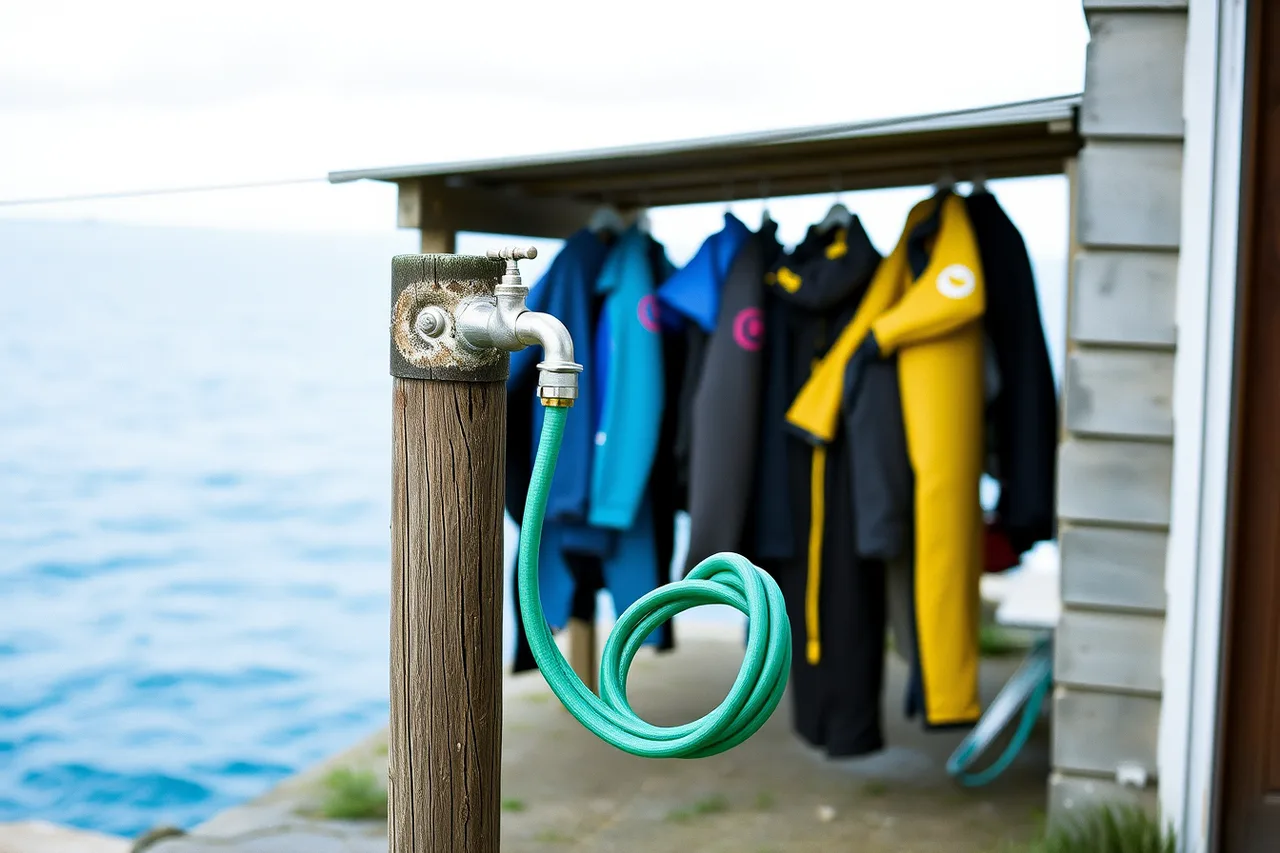
Add a third if there is room: a bench or table where someone can take apart a wet bag without using a bed. Photographers, divers, anglers and cyclists need the same thing, and none ask for much.
They also tend to book longer stays and return the same week the following year. That makes them a better class of guest than the amenity cost suggests.
Why gear cleaning is a shared problem
Plastic is the most prevalent type of marine debris in the ocean and Great Lakes. NOAA defines microplastics as plastic pieces less than five millimeters long, roughly the size of a pencil eraser, which can harm ocean and aquatic life.
It notes this is an emerging field where much is still unknown. The NOAA Marine Debris Program leads research, and standardized field methods for sampling sediment, sand and surface water are still being developed and tested.
A business that provides a rinse point with a drain rather than a rinse point onto a beach is making a small but real difference to what ends up in the water.
The species problem
The second reason cleaning matters is biological. NOAA describes an invasive species as an organism that causes ecological or economic harm in a new environment where it is not native. They arrive through ballast water, aquaculture releases, aquarium specimens and bait.
Invasive species can cause extinctions of native plants and animals, reduce biodiversity, compete for limited resources and alter habitats, with large economic impacts and disruption to coastal and Great Lakes ecosystems.
Gear that goes from one water body to another can carry material with it. A business that puts up a simple clean, drain and dry notice beside the rinse tap is doing something useful and costing itself nothing.
What else works
| Offer | Why it lands |
|---|---|
| Rinse tap with a drain | Salt is the traveler's main problem |
| Drying space | Nothing else dries on a coast |
| Repair referrals | Nobody can find these from outside |
| Loaner basics | A spare dry bag saves a day |
| Secure storage | Bikes and cases before check-in |
Repair referrals deserve emphasis. A visitor cannot find the person who fixes zips, welds a rack or lends a tool. A local business can, in one sentence, and it is remembered longer than any discount.
Where this fits
Gear-dependent visitors choose accommodation for these facilities, which is covered from the traveler's side in our notes on where to stay for a gear-dependent trip. The same principle applied to island day visitors is in our island business guide.