Reviews
Part of US Ferry Travel: Planning Around Tides and Marine Forecasts
One comparison sheet for any guided trip built around a ferry
A comparison method for guided trips built around a ferry crossing: who owns the weather risk, what the price covers, and which forecast product applies.
What to take away
- One sheet, seven rows, the same order for every candidate. A blank row is an answer.
- Compare who carries the weather risk: an operator that holds your ferry reservation and refunds, against one that only tells you which boat to catch.
- Ask whether the ferry ticket sits inside the tour price, then price the whole day beyond the headline number.
- Read the cancelation wording against the forecast terms it borrows. "Unless a warning is in effect" promises less than it sounds.
- Name the water your route crosses so you can read the same forecast the operator reads.
The seven rows every comparison sheet needs
Who holds the ferry reservation and the weather risk. Whether the ferry ticket is inside the price. Cancelation and refund terms. Vessel type. Accessibility in the operator's own words. Total cost for your party. The extra hours a missed sailing adds.
Fill each row from what the operator writes, not from what the page implies. A missing cell is information. If a listing will not say who refunds a canceled crossing, that silence answers the question.
[figure 1]
Guided Trip Comparison Sheet
- Ferry ticketincluded, reserved, or your job
- Group sizestated maximum or silence
- Weather policyrefund, reschedule, credit, nothing
- Who decidesguide, vessel operator, or weather
- Meeting pointterminal, island, or town
- Guide credentialsnamed qualifications, permits, or none
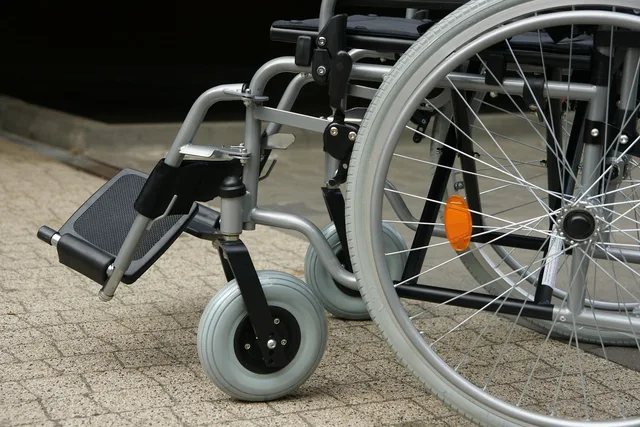
- Accessibilityspecific features and barriers
Cost rows reward a consistent method, and this walkthrough of how to compare the true cost of ferry-based tours keeps the arithmetic comparable across candidates.
Example: three real crossings on one sheet
Three real crossings
Ferry ticket inside the price?
- Island Packers to Santa Cruz Island, with a ranger-led walk ashore
- Yes, the crossing is the ticket
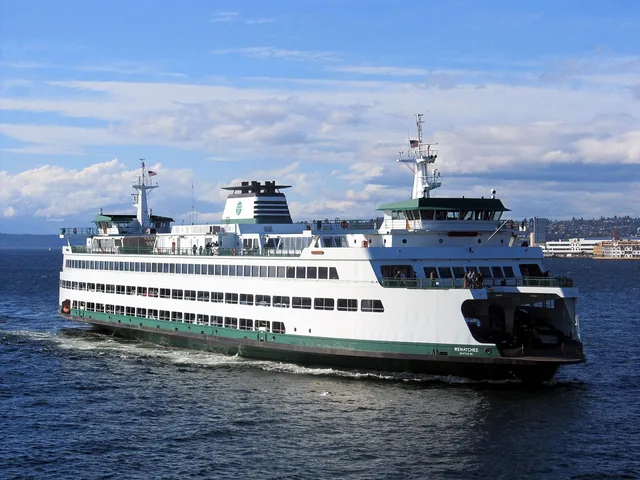
- Washington State Ferries, Seattle to Bainbridge, walk-on, with a local walking guide
- No, you buy the walk-on fare yourself
- Casco Bay Lines mailboat run from Portland, Maine, with an optional narrated cruise
- No, crossing and add-on are separate
Who holds the weather risk?
- Island Packers to Santa Cruz Island, with a ranger-led walk ashore
- The operator, which rebooks or refunds a weather cancellation
- Washington State Ferries, Seattle to Bainbridge, walk-on, with a local walking guide
- You
- Casco Bay Lines mailboat run from Portland, Maine, with an optional narrated cruise
- Depends on who booked which part
Vessel
- Island Packers to Santa Cruz Island, with a ranger-led walk ashore
- Crewed passenger vessel landing inside a national park
- Washington State Ferries, Seattle to Bainbridge, walk-on, with a local walking guide
- Large passenger and car ferry, foot passengers load first
- Casco Bay Lines mailboat run from Portland, Maine, with an optional narrated cruise
- Working mailboat carrying passengers
Test the first row hardest. Ask the operator to put the refund and rebooking rule in the confirmation email. If they refuse, you carry the risk whatever the brochure says.
Who carries the weather risk
Two models exist, and the sheet separates them. In the first, the operator holds the ferry reservation, so a canceled sailing is their problem to rebook or refund. In the second, you hold the reservation and the operator tells you which boat to catch.
The second costs less and leaves you with the rebooking.
NOAA explains the difference between a watch and a warning: a warning means conditions are expected, a watch means they are possible. Hurricane timing shows the gap. A warning arrives 36 hours before tropical storm winds; a watch arrives 48 hours ahead, because preparation gets difficult once winds reach that strength.
Smaller marine products borrow the same logic. An operator who writes that a trip runs "unless a warning is in effect" is not promising to cancel for a watch or an advisory.
A clause that cancels only on a warning leaves watches and advisories inside the sailing window.
Forecast windows and tides decide which dates work at all, and planning a US ferry trip in 2027 around tides and marine forecasts sorts that out before you start comparing prices.
Which forecast product covers your water
The National Weather Service publishes a family of products, not a single page. Its listing of marine forecast products sets out the Marine Weather Statement, the Special Marine Warning, the Short Term Forecast and the Hazardous Weather Outlook. More than one Special Marine Warning from the same office can be active at once.
Name the product for your own water. A Seattle to Bainbridge crossing sits inside the Coastal Waters Forecast for Puget Sound and Hood Canal. A Cape May to Lewes crossing sits in the coastal waters forecast covering Delaware Bay and the adjacent Atlantic.
[figure 3]
Marine Forecast Products
- Marine Weather Statement
- Special Marine Warning
- Short Term Forecast
- Hazardous Weather Outlook
That is the whole skill: find the zone, then read what the operator reads.
What the day really costs
| Line | Typical range, verify locally |
|---|---|
| Terminal parking | USD 10 to 25 per day |
| Walk-on ferry fare, adult one way | USD 3 to 15; the Staten Island Ferry is free |
| Guide or naturalist fee, half day | USD 40 to 150 per person |
| Food and drink ashore | USD 20 to 45 |
| Night added if you miss the last boat | USD 120 to 250 |
Walk-on fares move with route and season, and the Washington State Ferries fares page lists current walk-on and vehicle prices for Seattle to Bainbridge and the rest of that system.
Then add the invisible line: your own hours. Two hours at a terminal is real time. Our guide to ferry trip costs with the hidden lines included covers parking, luggage and the extras that never reach the headline.
Red flags in a listing you can check
- No vessel type named anywhere on the page.
- A duration quoted without saying whether the crossing sits inside it.
- Accessibility answered with one adjective and no terminal detail.
- Pressure to book before basic questions are answered.