Features
Part of US Ferry Travel: Planning Around Tides and Marine Forecasts
Protected waters and working harbors worth a ferry detour
Ferry-reachable stops worth: protected waters, research reserves and working harbors reachable by ferry, plus how to judge whether a stop earns a night rather.
What to take away
- A stop earns a night when leaving it requires a boat you cannot easily catch twice in a day.
- Protected waters and research reserves give a ferry day a subject, not just a destination.
- Working harbors are underrated stops, because the thing worth watching is the harbor itself.
- Build the return leg first. Anything reached by boat has to be left by boat.
Judge a stop by its exit, not its entrance
The usual mistake is choosing stops by what is there. On a ferry route, choose by how hard it is to leave.
If the last sailing back is early, or if the route runs a reduced service midweek, an afternoon becomes a night whether you planned one or not. That is not a problem, but it should be a decision.
Does this stop want a night?
Would missing one boat cost a booked bed?
the stop wants an overnight
an afternoon is fine
A workable test: if missing one boat would cost you a booked bed somewhere else, the stop wants an overnight. If missing it would cost you an hour, an afternoon is fine.
Protected waters give the day a subject
National marine sanctuaries are among the most rewarding things a ferry route can put you next to. These protected waters hold rocky reefs, kelp forests, deep-sea canyons, and underwater archaeological sites.
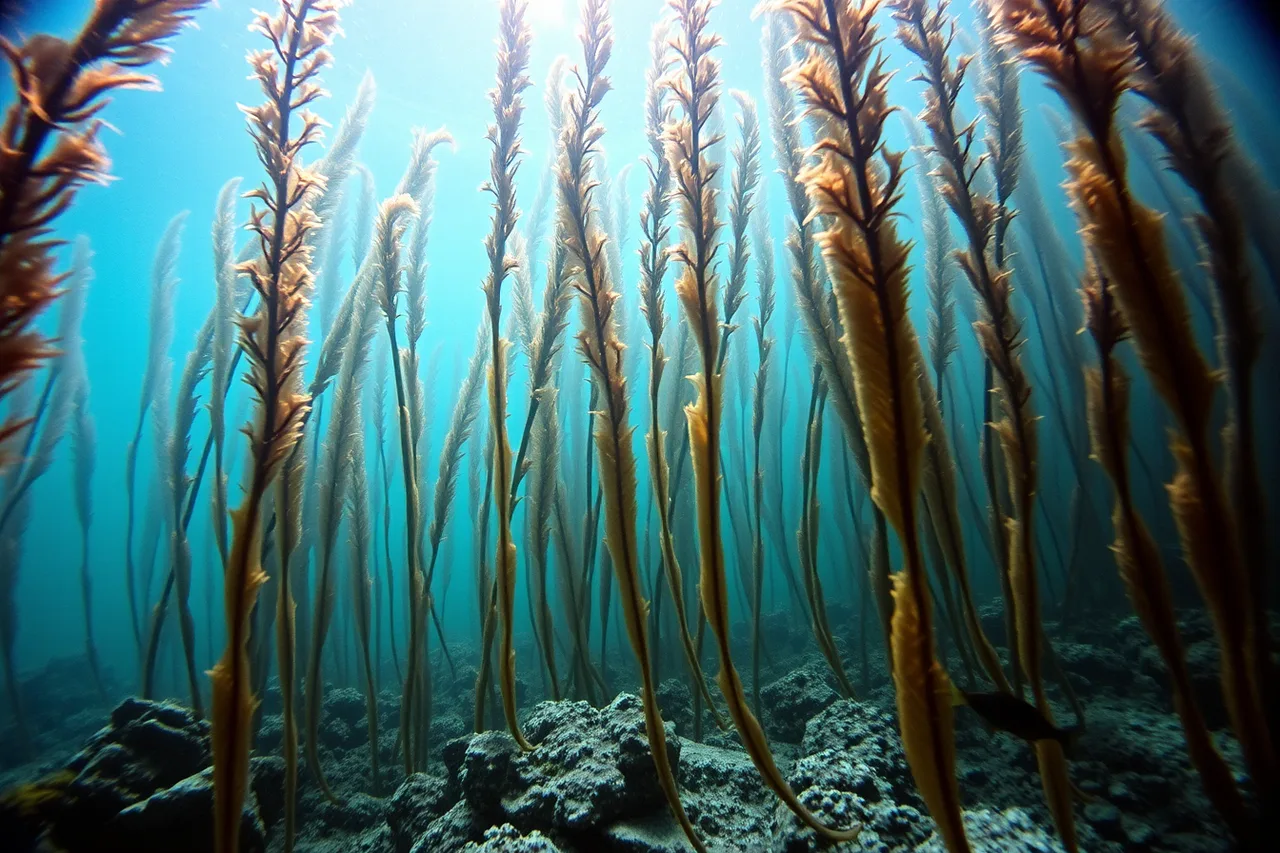
The system of national marine sanctuaries stretches from Washington State to the Florida Keys and from Lake Huron to American Samoa. Several sanctuaries sit within sight of routes ordinary passengers use for ordinary reasons.
Named sanctuaries include Channel Islands National Marine Sanctuary, reached by Island Packers from Ventura Harbor. Florida Keys National Marine Sanctuary is crossed by the Yankee Freedom III from Key West. Stellwagen Bank National Marine Sanctuary lies near the Boston to Provincetown ferries.
Research reserves work differently and are often quieter. The National Estuarine Research Reserve System is a partnership between NOAA and coastal states with 29 reserves representing different biogeographic regions of the United States.
A lead state agency or university manages each reserve day to day, and many run long-term water quality and habitat monitoring alongside public education. A reserve visitor center often gives the best introduction to a stretch of coast you just crossed.
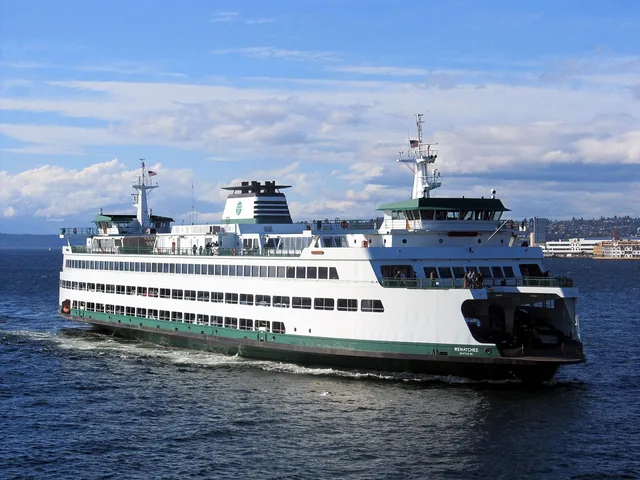
Named reserves include Sapelo Island National Estuarine Research Reserve, reached by the Georgia DNR ferry from Meridian. Kachemak Bay National Estuarine Research Reserve sits by the Alaska Marine Highway ferry to Homer. Padilla Bay National Estuarine Research Reserve is near Washington State Ferries from Anacortes.
Categories of stop that reward the detour
- A research reserve or sanctuary visitor center.Free or cheap, staffed by people who know the water, and usually open when the weather has closed everything else.
- A working harbor.Boatyards, ice houses, fuel docks and haul-out slips. Go in the morning when the fleet is moving.
- A lighthouse station with grounds you can walk.The tower is often closed. The point is the site.
- An island village without a road connection.Everything arrives by boat, and it shows in the shape of the place.
- A barrier beach reached by a short hop.Usually the closest thing to a guaranteed good afternoon.
- A shoreline trail on the mainland side.The stop you can still enjoy if the boat does not run.
That last one is the one people forget. Every ferry itinerary should include something worth doing on the departure side.
Named working harbors and ferry-reachable destinations include New Bedford, Massachusetts, with Cuttyhunk Ferry Company to Cuttyhunk. Portland, Maine, has Casco Bay Lines ferries to Peaks Island. Key West, Florida, has the Yankee Freedom III to Dry Tortugas National Park. Ventura Harbor, California, is the base for Island Packers trips to Santa Cruz Island in Channel Islands National Park.
Sequence the stops so the water works for you
Put the most weather-exposed crossing early in a multi-day trip, so a cancelation has days left to absorb it. Put the flexible, sheltered hop last. Keep at least one stop that does not require a boat at all, and place it where a lost day would otherwise leave you stranded with nothing planned.
Check the seasonal operating pattern for every route in the chain before you fix any accommodation. A single route that stops running in October can unpick a whole itinerary that otherwise looks fine. Our U.S. ferry travel guide covers how to check that with the operator rather than guessing from last year's page.