Industry
Part of How a coastal itinerary actually gets built, step by step
What coastal itinerary building businesses should post
A daily posting checklist for coastal itinerary building businesses: tide times from NOAA, the ferry operator's sailing times, openings, and safety notes.
Coastal itinerary building businesses answer the question visitors ask at the door: what can I do this afternoon, given the tide and the ferry. The facts behind that answer are public, and here is how to keep them ready.
What to take away
- Visitors plan badly because the information they need is scattered. A local business can gather it in one place cheaply.
- Free data, tools and training exist specifically for coastal management, and businesses can use them too.
- Shoreline work in front of a property is now a design choice with published evidence behind it.
- Publishing honest seasonal information wins more repeat visits than marketing does.
Publish the four facts visitors actually need
A visitor arriving on a coast wants four things and rarely finds them together: today's tide times, today's sailing times, what is open, and where it is safe to swim or walk. A single laminated sheet by the door does more for a first-time visitor than a website redesign.
Publish the four facts
- Tide times for today and tomorrow.Updated daily, in large type.
- Sailing times, including the last one.With a note when the timetable changes over.
- What is open, this week.Especially out of season.
- Local safety notes.Where the water catches people out, and who to ask.
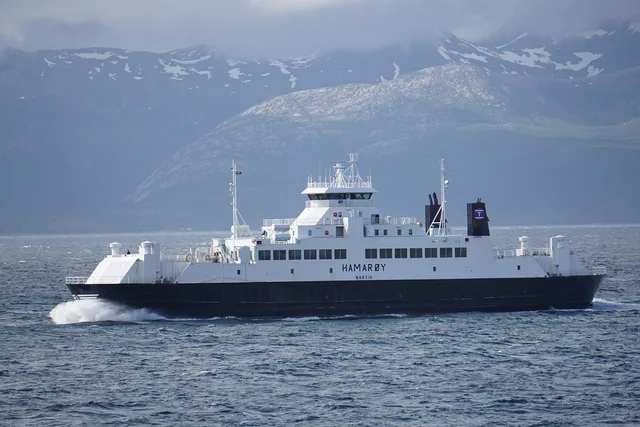
Two public sources cover most of the list. NOAA's Tides & Currents publishes the official tide predictions for the nearest tide station, and National Weather Service marine forecasts cover wind and sea state. Sailing times belong to the operator: the ferry company's own timetable is the only official version, and it is the one that changes, so check it the morning you write the board. On ferry-served islands, the last sailing of the day is usually the fact that matters most.
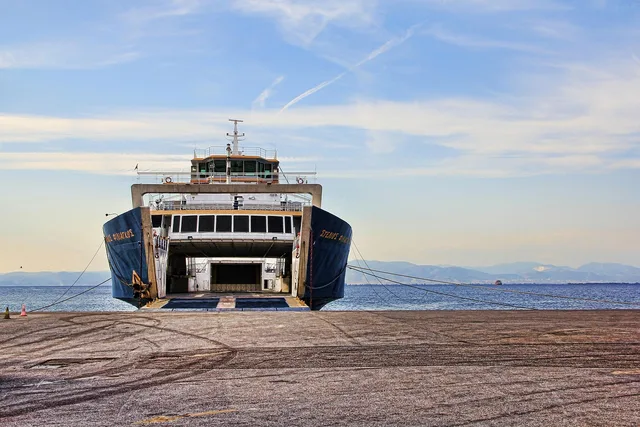
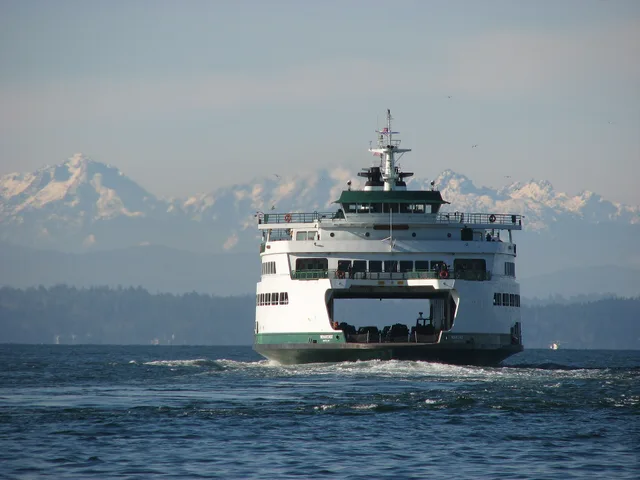
Schedules are also seasonal: Washington State Ferries runs a summer timetable on its Anacortes–San Juan Islands route that differs from the rest of the year, so a sailing list printed in July can be wrong by October. The timetable to post is the one in force this week, not the one in the brochure.
Nothing here requires a budget. It requires someone to update it, which is the part that actually distinguishes businesses.
The audience for this is larger than it looks. Visitors who feel informed stay longer, spend the extra hour rather than leaving early to be safe, and recommend the place for reasons that have nothing to do with the product. A board that saves someone from missing a boat is remembered far longer than a discount.
Use the coastal data that already exists
Coastal businesses often assume good data is for agencies. NOAA's Digital Coast gives communities data, tools and training to manage coastal resources, organized by topic from climate adaptation to ocean planning. A stories section shows how communities used these resources on real issues.
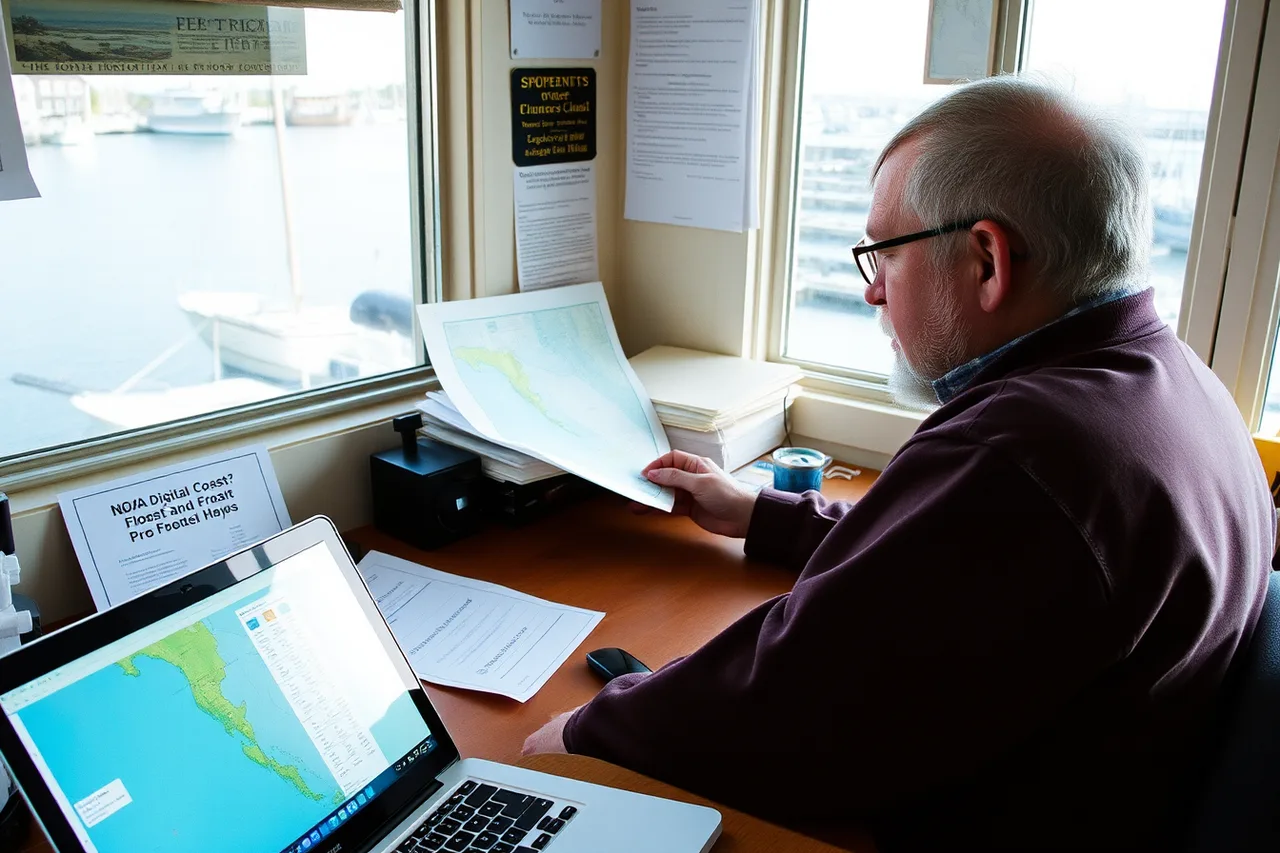
A small business can borrow from that directly. Understanding what flooding, erosion or habitat change is projected for your stretch of shore is useful for a capital decision, an insurance conversation, and for answering a guest who asks whether the beach is shrinking.
What to tell guests about the shore
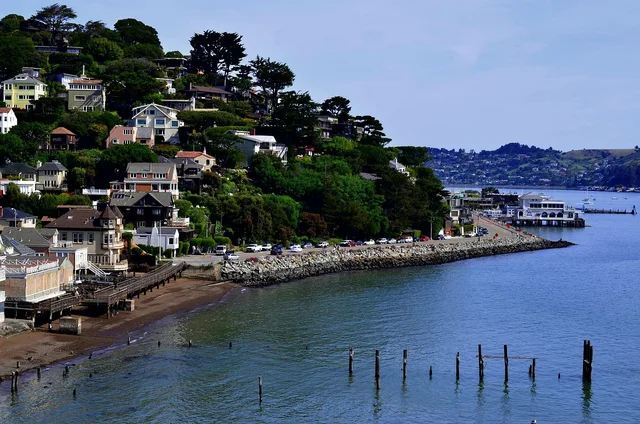
Guests ask where they can walk, where the beach has gone, and why one stretch of shore is planted while the next is walled. If you own the waterfront, those answers start with the stabilization decision behind it. NOAA describes living shorelines as protected, stabilized shorelines of natural materials like plants, sand or rock, using native vegetation alone or with low sills to stabilize estuarine coasts, bays and tributaries.
They are a natural alternative to hard methods such as rip rap or bulkheads, offering nutrient pollution remediation, fish habitat structure and buffering from waves and storms. NOAA notes research indicating living shorelines are more resilient than bulkheads against hurricanes.
Any work at or below the high-water line is regulated. In the United States that usually means a US Army Corps of Engineers permit: Section 10 of the Rivers and Harbors Act for structures in navigable water, and Section 404 of the Clean Water Act for dredged or fill material. A permit under the state's coastal zone management program is usually required as well.
For a visitor-facing business this is also an amenity. A vegetated shoreline is a better thing to sit beside than a concrete wall, and it is a better story to tell.
Be honest about the season
The businesses visitors return to are the ones that told them the truth: that the boat runs three days a week in February, that the restaurant closes at seven, that the beach is not swimmable in an onshore blow. That honesty costs one booking and earns several.
Guides and operators face the same choice from the island side, and both fit into the corridor approach set out in our coastal itinerary process guide.