Industry
Part of Ferry travel gear reviewed: what holds up and what does not
Where to stay when your ferry trip depends on gear: a practical read
Choosing a base near working harbors where gear can be rinsed, dried and repaired, and why dredging and real-time port data shape those harbors.
What to take away
- If your trip depends on gear, stay somewhere it can be rinsed, dried and if necessary repaired.
- Working commercial harbors have the chandlers and the drying space. Resort marinas often do not.
- Harbors are dredged to stay usable, which is part of why terminals sit where they do.
Stay near a working harbor
A resort waterfront is pleasant. A working harbor is useful. If your trip involves cameras, optics, diving kit, fishing tackle, bikes or anything else that gets wet, the practical questions are where you rinse it, where you hang it, and who fixes it if it breaks.
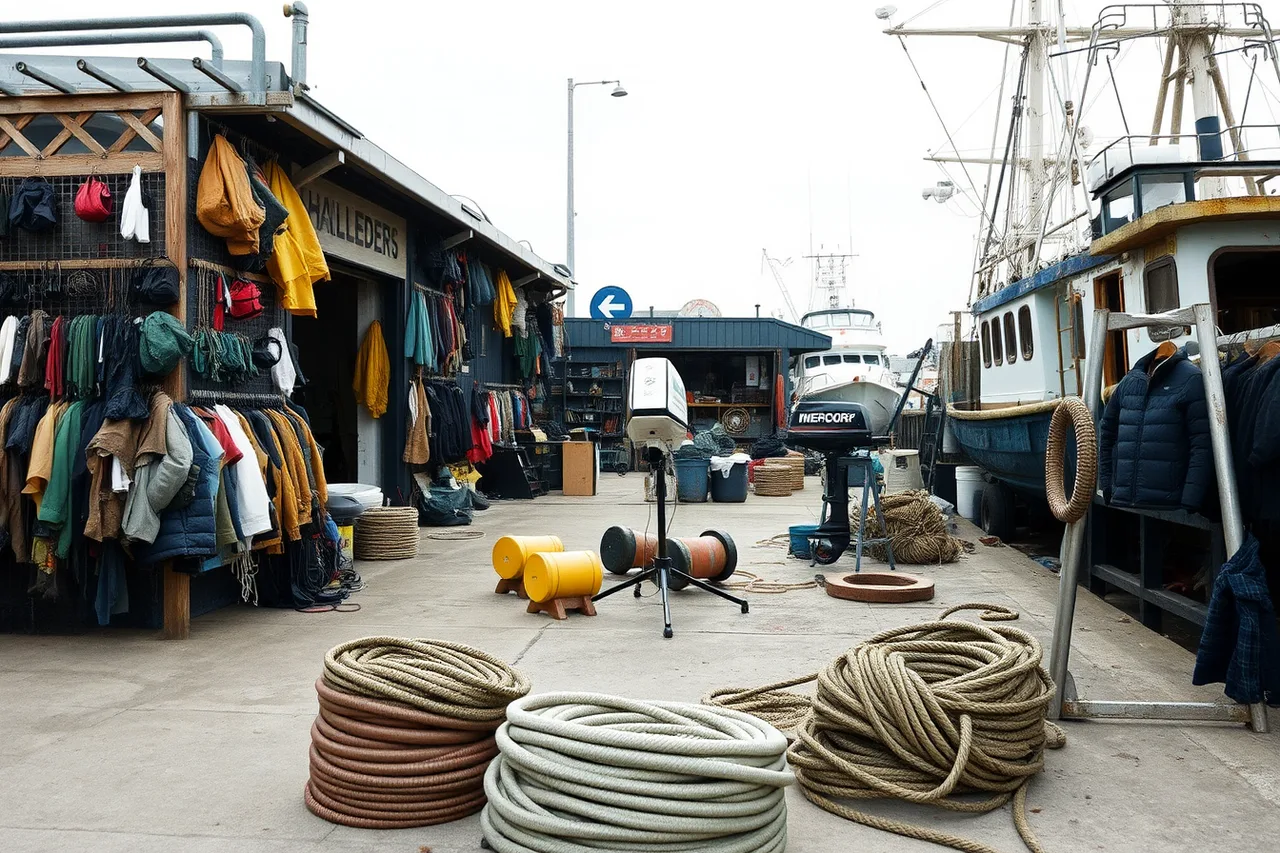
Working harbors answer all three. They have chandlers, hardware stores, someone who repairs outboards and will also look at a seized zip, and space where wet things are normal rather than a problem. Chandlers and repair shops matter most when your ferry trip depends on gear that has to keep working.
Check that the harbor is working before you book. Look for a chandlery, a boatyard or a repair yard, and commercial traffic on the water. A marina that only rents berths to holiday boats is a different thing.
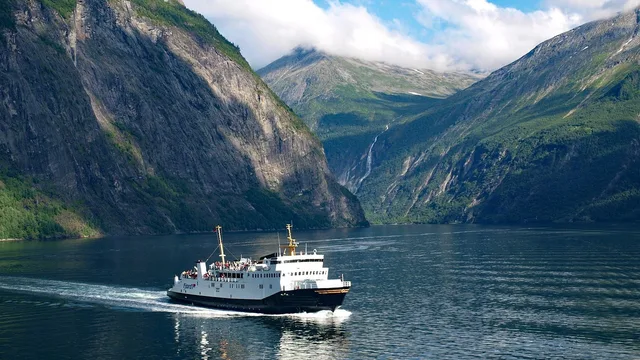
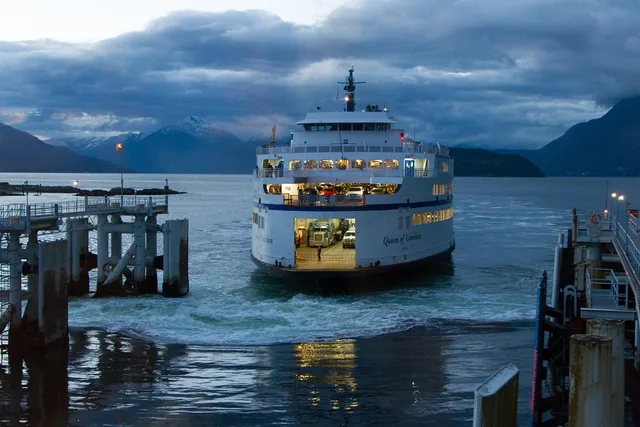
Working harbors with ferry service include Ketchikan and Sitka in Alaska, Anacortes in Washington, Portland in Maine, Nanaimo and Prince Rupert in British Columbia, and Digby in Nova Scotia. New Bedford in Massachusetts, a fishing port with seasonal ferries to Martha's Vineyard, is the same kind of base.
What to ask an accommodation
- Is there somewhere outdoor to rinse salt off gear?
- Is there a drying room, a boot room, or even a radiator you can use?
- Is there covered storage for a bike or a large bag?
- Is there a hardware store or chandler within walking distance?
- Is there somewhere to leave gear on the day you check out?
None of these appear in a listing. All of them decide whether a gear-dependent trip is comfortable.
Gear questions for hosts
- Outdoor space to rinse salt off gear
- Drying room, boot room or radiator
- Covered storage for bike or large bag
- Hardware store or chandler walkable
- Somewhere to leave gear on checkout day
Ask them in one message rather than five. Hosts used to divers, anglers and photographers will recognize the list immediately and answer all of it at once. That is itself a useful signal about whether they have hosted people doing what you are doing.
Why harbors are where they are
A usable harbor is a maintained thing. NOAA explains that dredging is the removal of sediments and debris from the bottom of lakes, rivers, harbors and other water bodies. That explains why some terminals sit in apparently awkward places, and why a harbor that looks natural is the product of continuous work.
The data behind a modern port
The other reason a commercial harbor is a good base is that it is instrumented. NOAA's National Ocean Service describes its role in providing real-time oceanographic data and navigation products for safe and efficient navigation in U.S. waters.
Booking channels and search terms
Start with the amenity filters. Airbnb and VRBO list washer and dryer as filters. Booking.com and Expedia let you search on laundry facilities. Those filters cover drying but rarely cover outdoor rinsing.
Then search in plain text. Terms that pull up the right kind of property include drying room, boot room, gear storage, bike storage, dive lodge, fishing lodge and bunkhouse. Add the harbor or town name to each one.
Call the small places directly. Guesthouses near a working wharf often skip the big platforms, and the harbormaster or marina office can name the ones that take crews.
Use the map for the trades first. Search chandlery, boatyard or commercial wharf, then look for lodging within walking distance of the pin.
The gear is covered in our ferry gear guide. General accommodation logic is in our island accommodation notes.