Industry
Part of Eleven shapes of island day trip, and what each one asks of your schedule
Mainland harbor town or island base: how to choose a place to stay for ferry day trips
How to pick between a mainland harbor town and an island bed for a ferry trip, plus the flooding question to ask about low-lying waterfront rooms.
What to take away
- A mainland harbor town gives you options. An island bed gives you mornings. Choose which one your trip needs.
- Waterfront and low-lying accommodation carries a real flooding question on some coasts, and it is worth asking about.
- Staying beside the terminal beats staying beside the attraction on almost every ferry trip.
- Book refundable on exposed routes and shoulder-season dates.
Mainland base or island base
A mainland harbor town usually has more beds, more food, more transport and a road out if a sailing is canceled. That flexibility is the whole argument for it. The cost is that you spend your best light on a boat.
Mainland vs island base
Mainland base
- Beds
- More
- Food
- More
- Transport
- More
- Canceled sailing
- Road out
- Best light
- Spent on boat
Island base
- Beds
- Fewer
- Food
- Thinner
- Transport
- Limited
- Canceled sailing
- No way off
- Best light
- Early and late
An island base gives you the early morning and the late evening, which is when small islands are at their best and emptiest. The cost is exposure: fewer beds, thinner food options, and no way off if the weather turns.
A useful split for a three-night trip is two nights on the mainland and one on the island. You get one island morning without betting the whole trip on the boat running twice.
Two North Carolina examples of the choice
North Carolina's coast shows both sides of the decision.
- A departure-town base for Cape Lookout: Harkers Island or Beaufort.Island Express Ferry Service is the official authorized concessioner of Cape Lookout National Seashore, running passenger ferries from Harkers Island and Beaufort to Cape Lookout Lighthouse and Shackleford Banks. For a day trip there, the bed belongs in one of those two departure towns, close to the dock you will sail from, and the islands are the destination rather than the base.
- An island base: Ocracoke.The state ferry system runs everyday service on seven regular routes, and two of them, Hatteras-Ocracoke and Ocracoke-Cedar Island, are officially part of the Outer Banks National Scenic Byway. Ocracoke sits between those two crossings, so a night on the island gives you its quiet morning and a choice of two ferries off it, which softens the exposure of an island bed.
The same test works anywhere: find where the boats actually leave from, then decide whether your trip needs the departure town's flexibility or the island's mornings.
The question nobody asks about a waterfront room
On low-lying coasts, ask whether the property or its access road floods. This is common. NOAA calls high tide flooding, also known as sunny day or nuisance flooding, increasingly frequent.
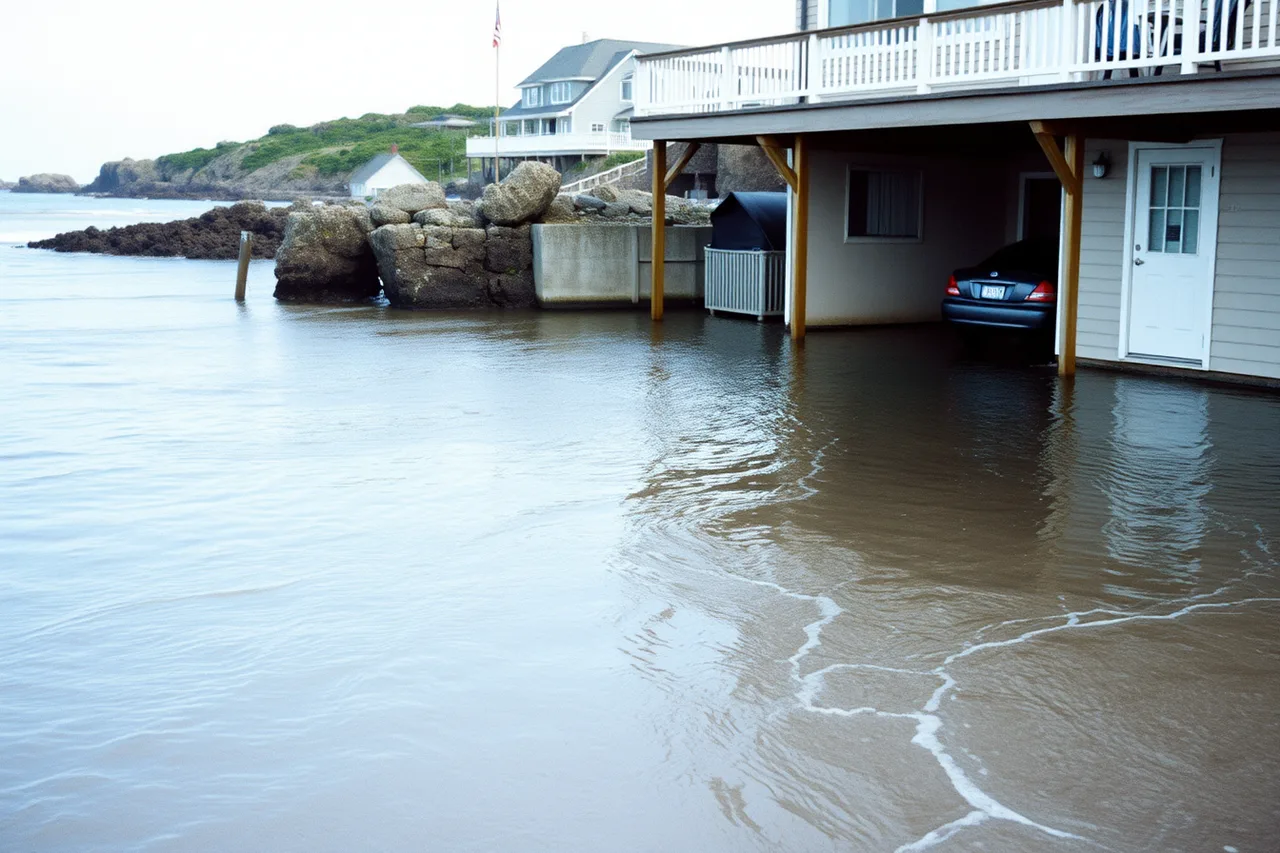
Rising seas, sinking land and lost natural barriers push water above the normal high tide mark. As relative sea level rises, a storm is no longer needed to cause coastal flooding.
The practical form of the question is simple. Does the parking area, the access road or the ground floor take water on the highest tides, and what does the property do about it? A host who answers precisely has dealt with it before.
What makes a good ferry base
- Walking distance to the terminal, ideally under fifteen minutes with luggage.
- Somewhere to eat that opens outside the summer season.
- A room you can cancel if the route is exposed.
- Parking that does not require moving the car daily.
- A host who knows the sailing pattern, which on small routes is common.
Proximity to the terminal outranks the view. On a ferry trip you will walk that route at least four times, sometimes in the dark with bags.
One more thing worth confirming before booking: whether the property has a plan for guests whose boat is canceled. Somewhere used to ferry traffic will hold a room or extend a checkout without drama. Somewhere that has never thought about it will treat your problem as your problem.
Harbor towns are the underrated stay
The best ferry bases are often working harbor towns, not resort villages. They have year-round businesses, morning activity worth watching, and lighthouses or beacons marking the approaches.
NOAA notes that lighthouses and beacons still guide seafarers from cliffs, shoals, reefs and harbor entrances. But GPS, nautical charts, lighted aids, buoys and radar beacons now carry more of the load in maritime safety.
The walkable tower is usually a heritage site, not the working system itself. For the person choosing a base, that is the point: a harbor town with a lighthouse in view, or a ferry out to one such as Cape Lookout Lighthouse, gives the stay its sense of place without moving you away from the terminal.